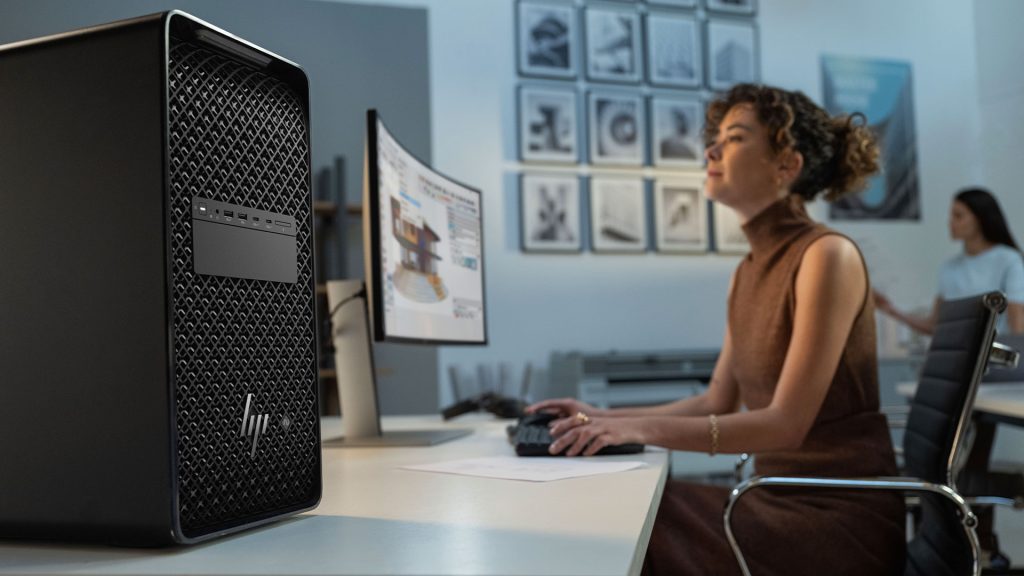
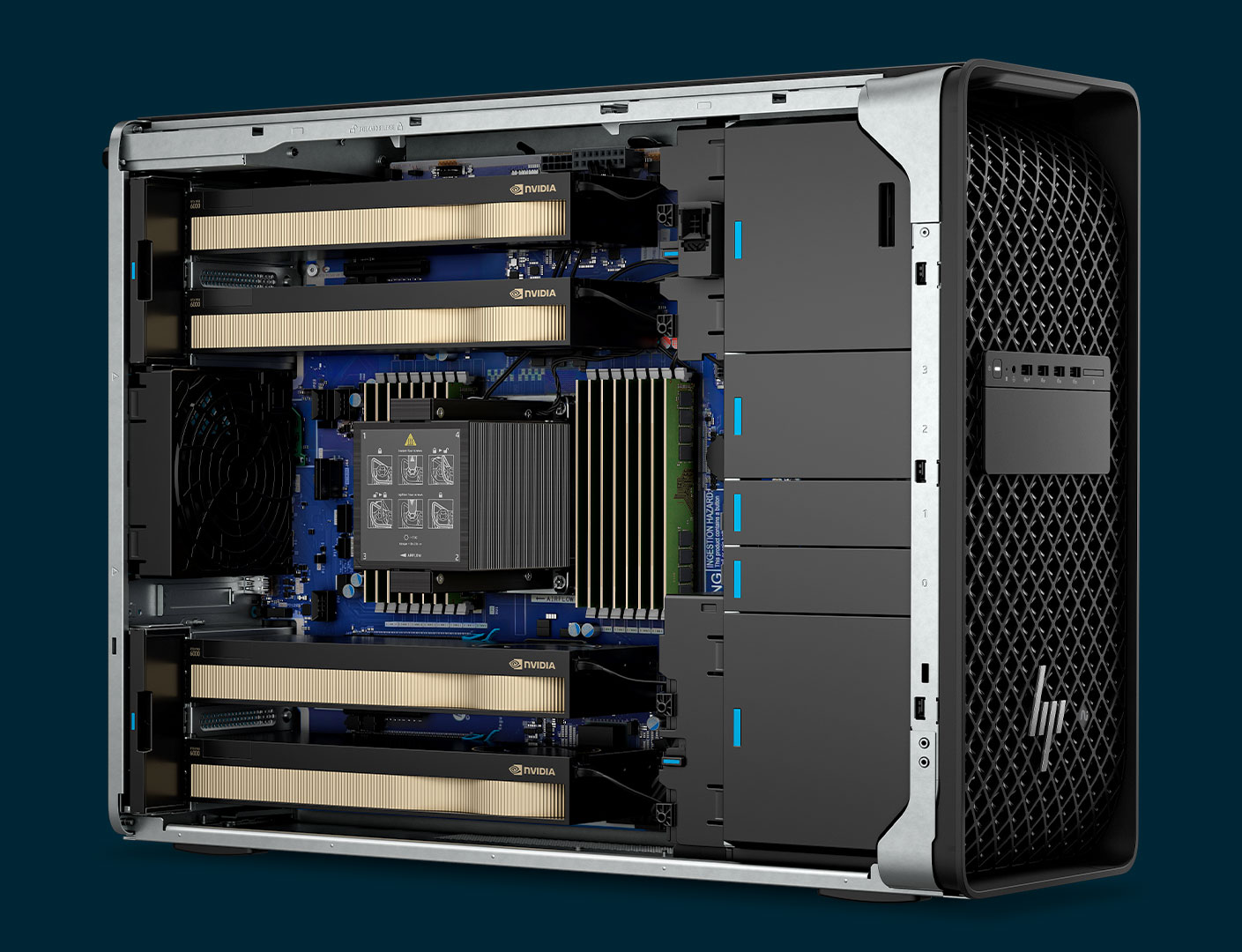
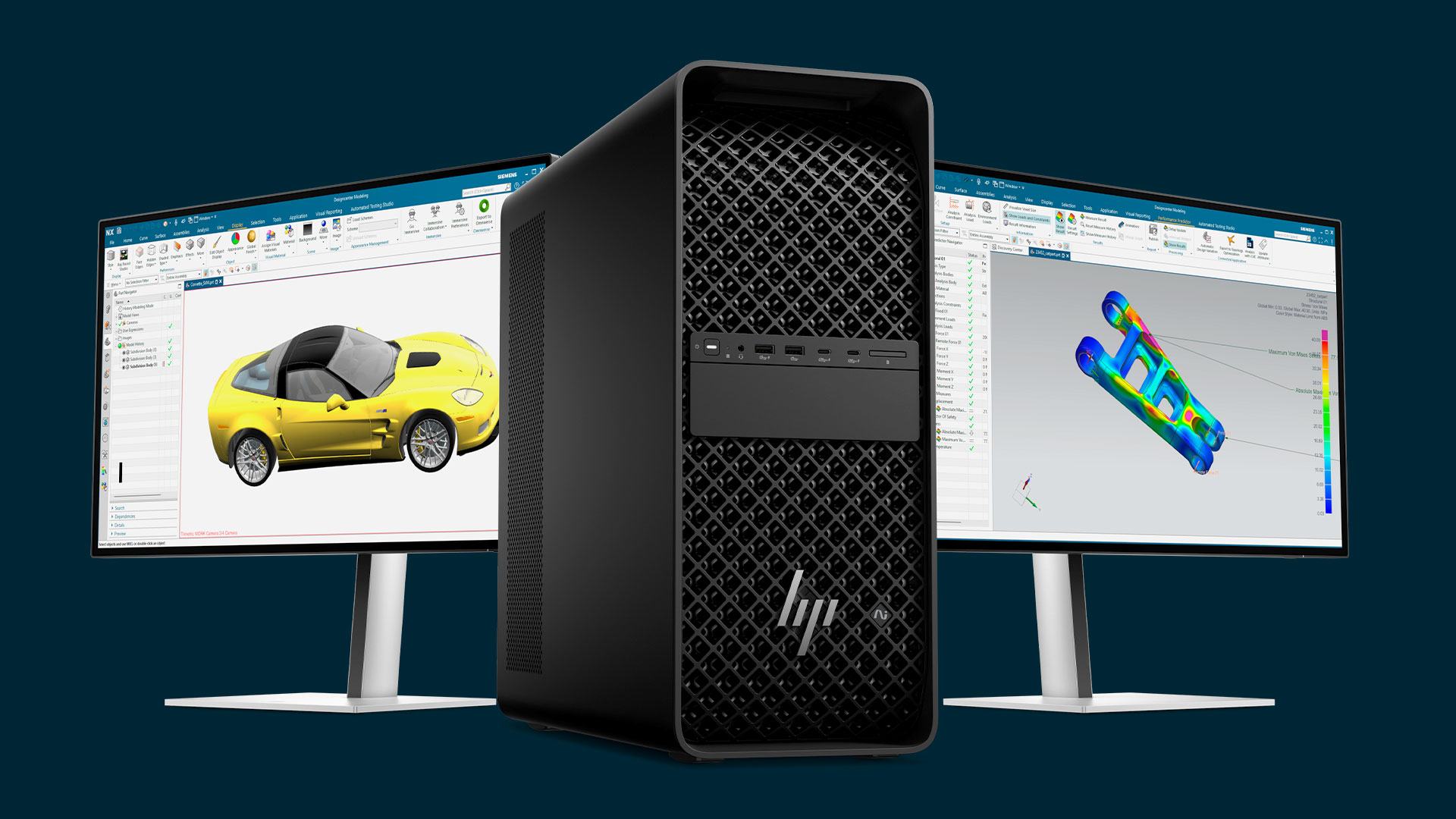
HP Z8 Fury G6i

HP updates Z workstations with Xeon 600 desktops and laptops

18 0

HP adds new desktops (HP Z4 G6i and Z8 Fury G6i) and laptops (HP ZBook X G2i and ZBook 8 G2i/G2a), boosts rendering with remote GPUs, and strengthens offering for local AI


HP has introduced two new desktops and three new laptops to its HP Z workstation lineup, while expanding HP Z Boost beyond AI to support GPU rendering — enabling architects and designers to tap into idle GPUs on the network on demand. The company has also unveiled HP IQ to help users get more out of local AI compute.


Desktop workstations: HP Z4 G6i and Z8 Fury G6i

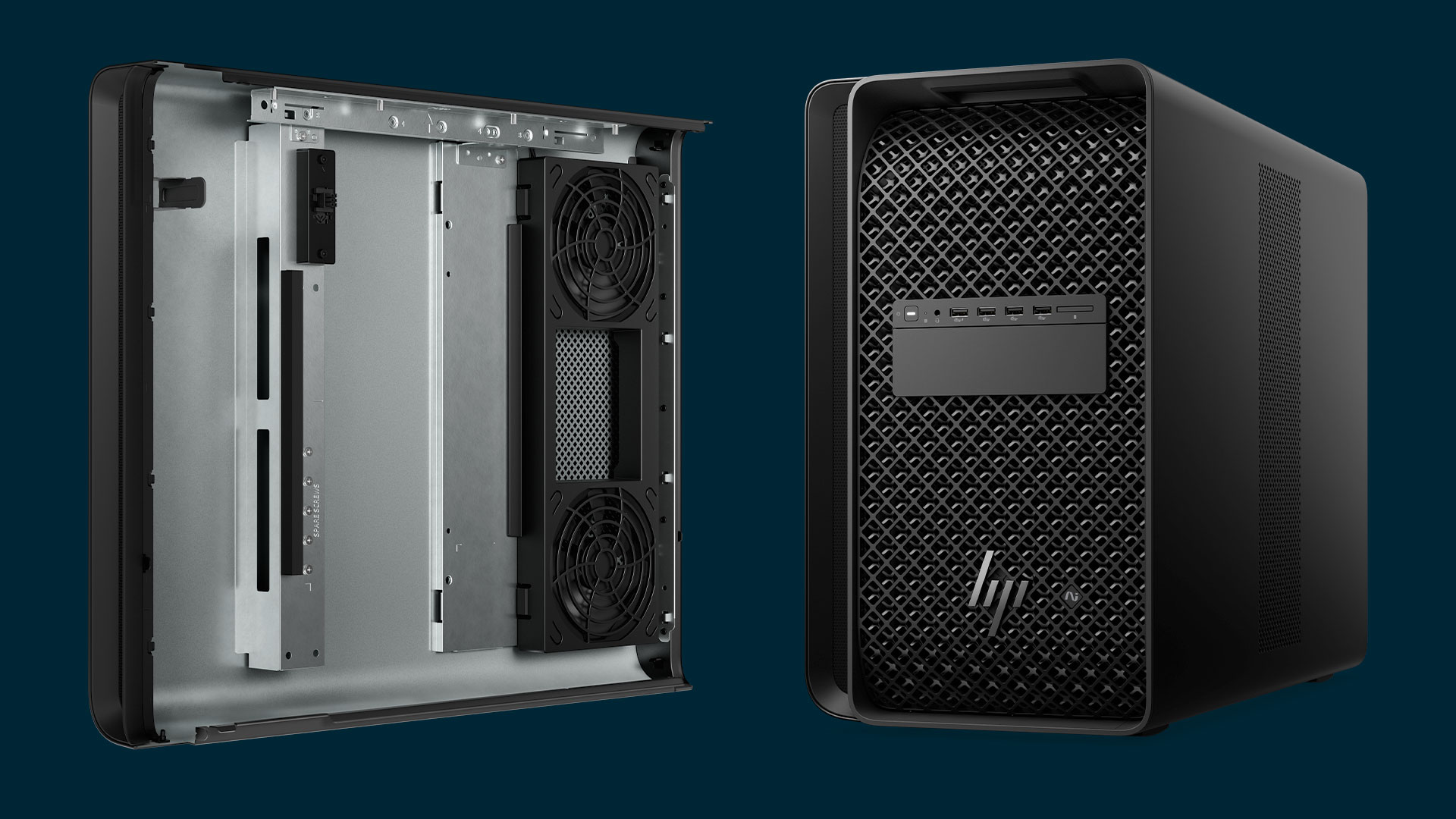
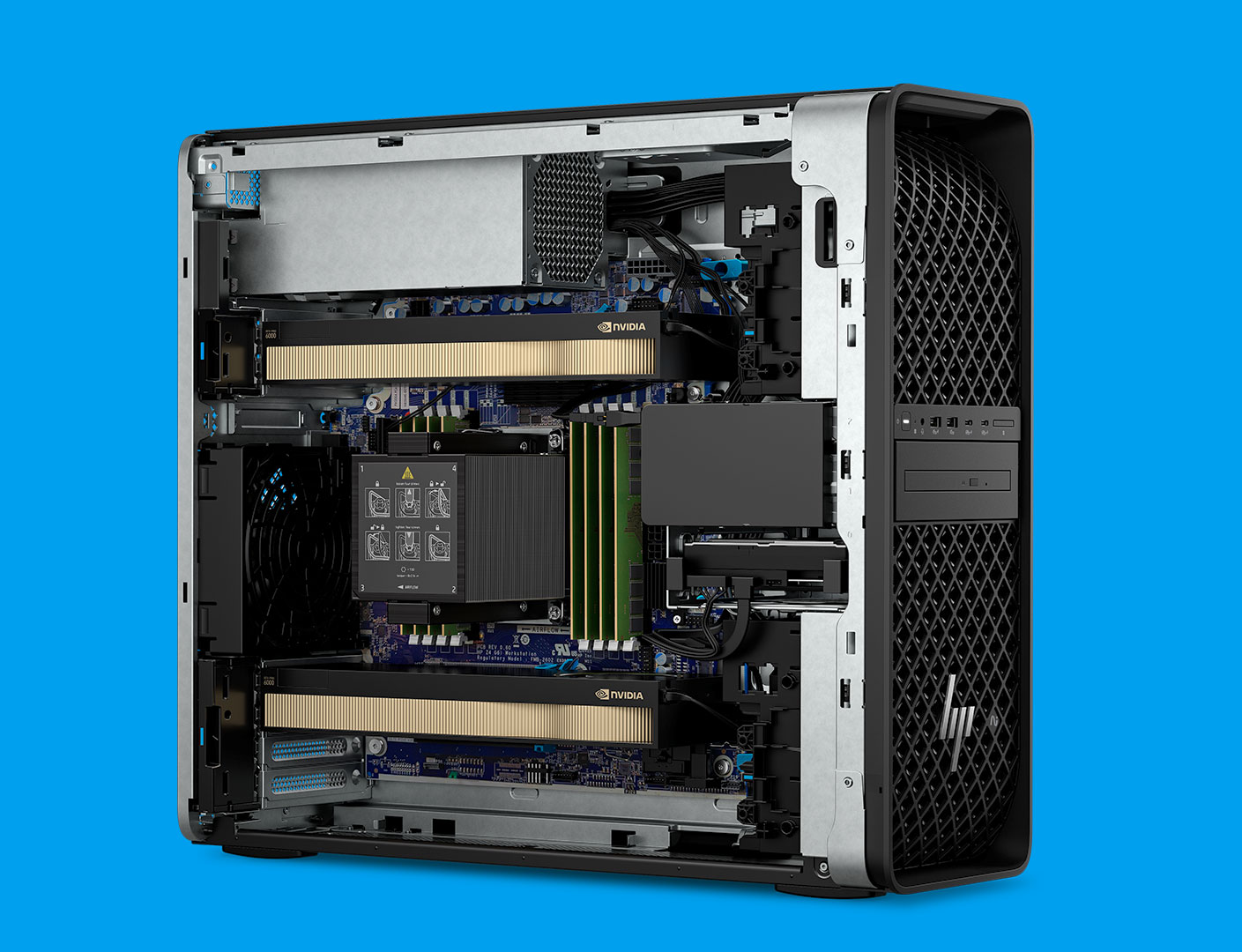
The new HP Z4 G6i and HP Z8 Fury G6i desktop workstations feature ‘Granite Rapids’ Intel Xeon 600 Series processors and Nvidia RTX Pro Blackwell GPUs (read our review) and are primarily differentiated by the number of CPU cores, the number of supported GPUs, plus memory and storage capacity.

The HP Z4 G6i offers a range of CPU options from the 12-core Xeon 634 to the 48-core Xeon 678X, can support up to two Nvidia RTX Pro 6000 Blackwell Max-Q 300W CPUs, and up to 512 GB DDR5 6400 MT/s memory.
Read AEC Magazine’s 2026 Workstation Special report

➡️ Subscribe here


The HP Z8 Fury G6i offers higher-end processors, up to the flagship 86-core Intel Xeon 698X and can support up to four Nvidia RTX Pro 6000 Blackwell Max-Q 300W, and up to 2 TB DDR5 6400 MT/s memory. The machine comes with flexible power options and dual 1,350W PSUs can be configured in redundant mode or 2,700W aggregate mode.

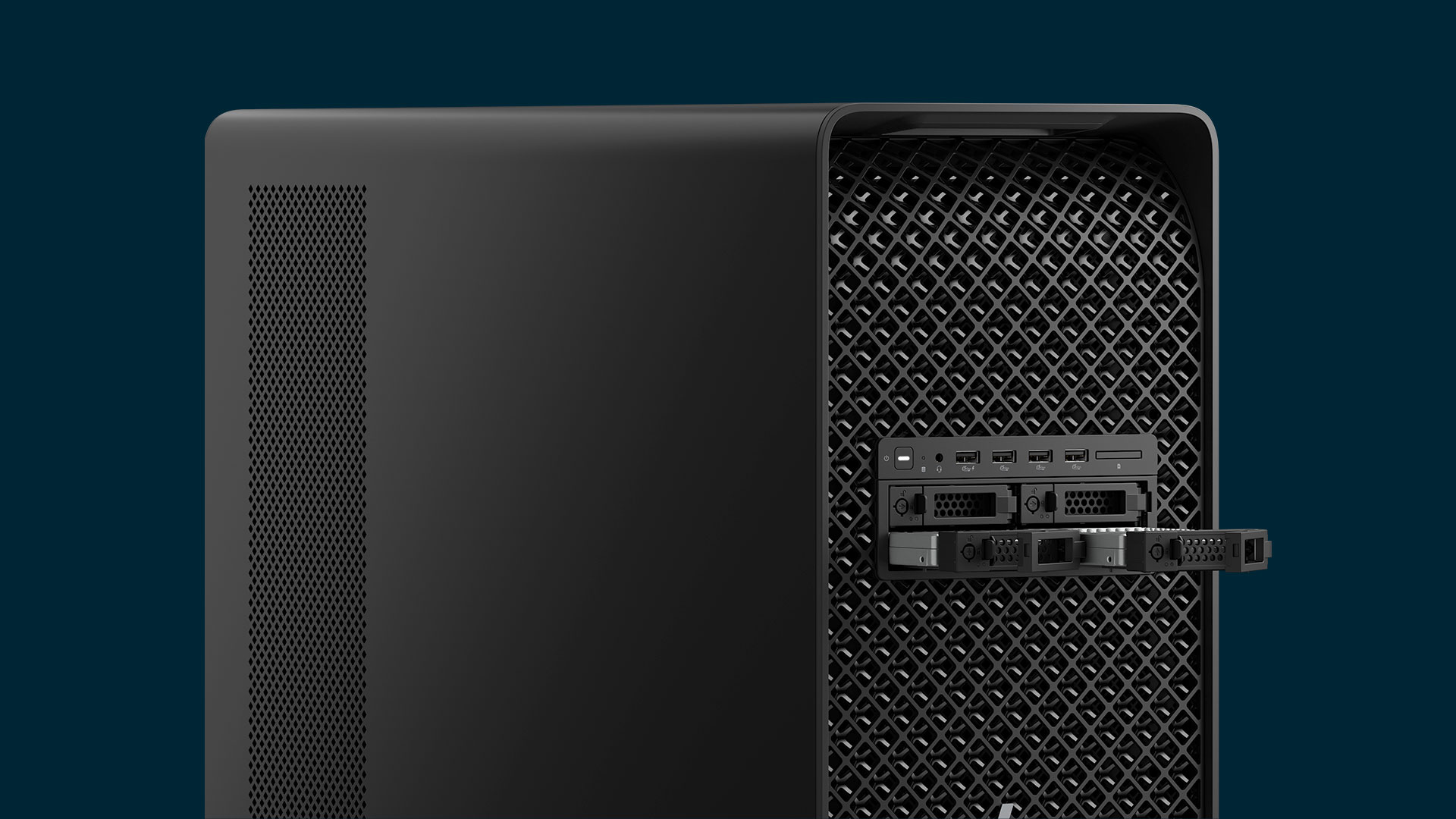
Both machines adopt a brand-new ‘rack-ready’ chassis with an enhanced lattice mesh venting design for improved airflow and a flexible front I/O panel with 5.25″ bay which can be configured with SSDs.

A standout feature is the optional ‘HP Max’ side panel which increases the width of the chassis to accommodate larger GPUs such as the 600W Nvidia RTX Pro 6000 Blackwell Workstation Edition. HP says the ‘tool free’ panel was inspired by customers who had been removing, or even cutting holes in, panels to install those oversized cards.

Advertisement
Advertisement

The side panel also adds two built-in fans to enhance cooling. This is important because Nvidia’s larger GPUs use an open‑air dual‑fan design, unlike the blower-style fans found on most RTX GPUs that exhaust air out the rear of the workstation.


AI workflows and hybrid IT

The new Z workstations also play a key role in HP’s on-premise AI strategy, addressing concerns around data gravity, latency, cost, and security.

In HP’s AI product stack, the HP Z4 G6i and HP Z8 Fury G6i will sit in between HP’s dedicated AI stations, the HP ZGX Nano and HP ZGX Fury (which will be available later this year). HP says the ZGX Fury will feature 784 GB of VRAM, offering inferencing on models up to 1 trillion parameters, and fine tuning on models up to 549 million parameters.


HP Z Boost: GPU sharing and remote rendering

Originally focused on AI workloads, HP Z Boost now also supports GPU rendering, turning networked workstations into shareable resources, giving designers on-demand remote access to GPUs. Supported applications include Catia, Siemens NX and Twinmotion, with more coming soon.


Mobile workstations: ZBook X G2i and ZBook 8 G2i/G2a

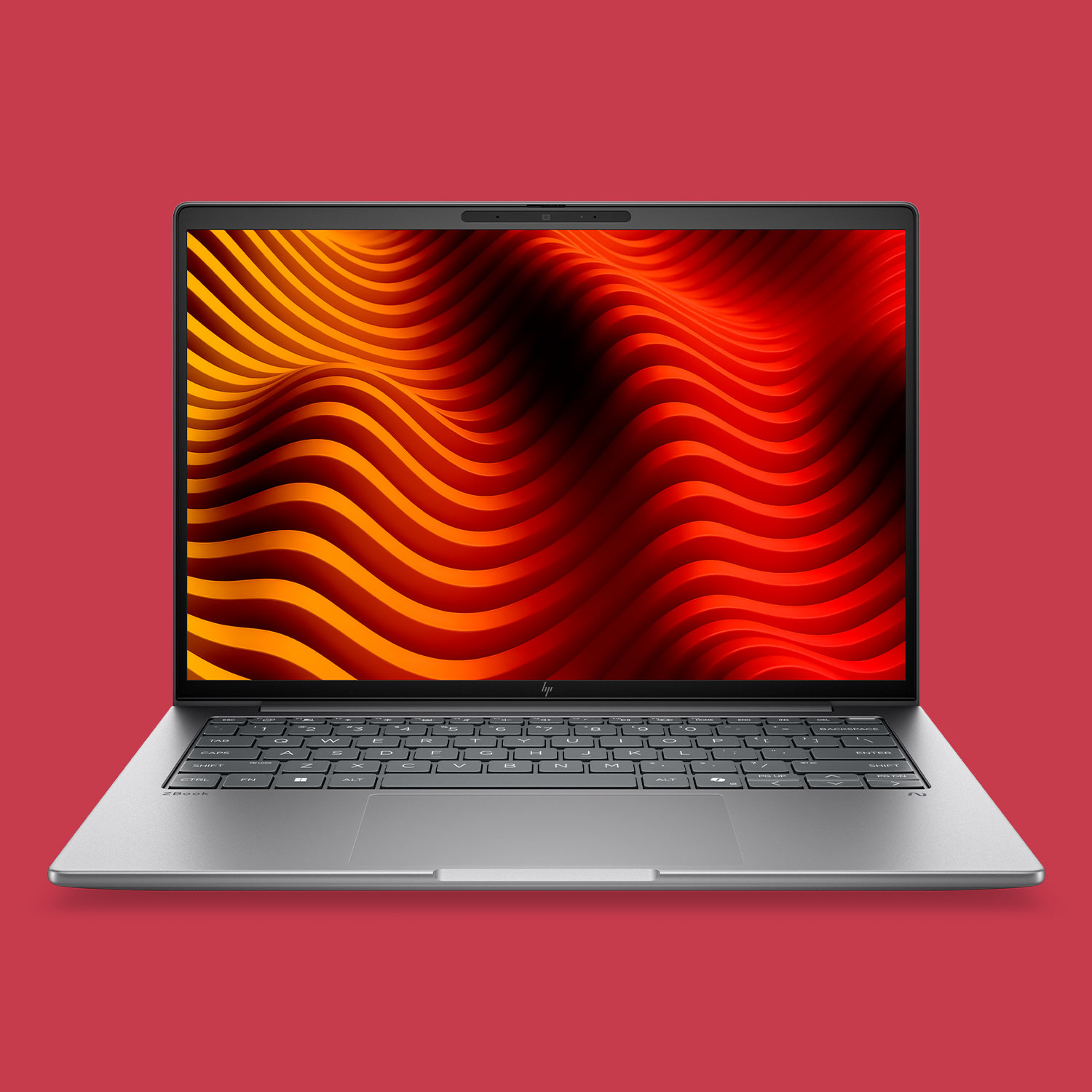
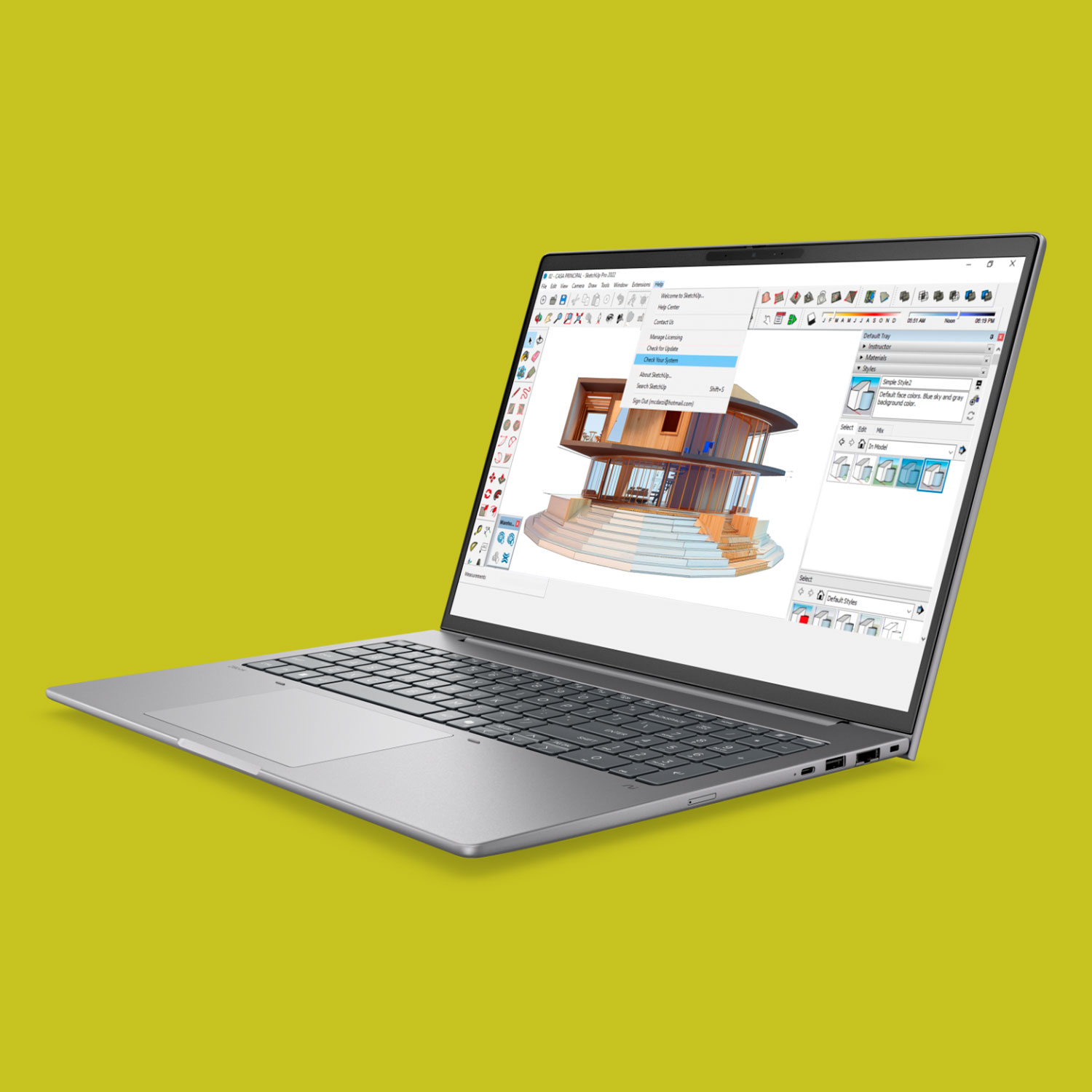
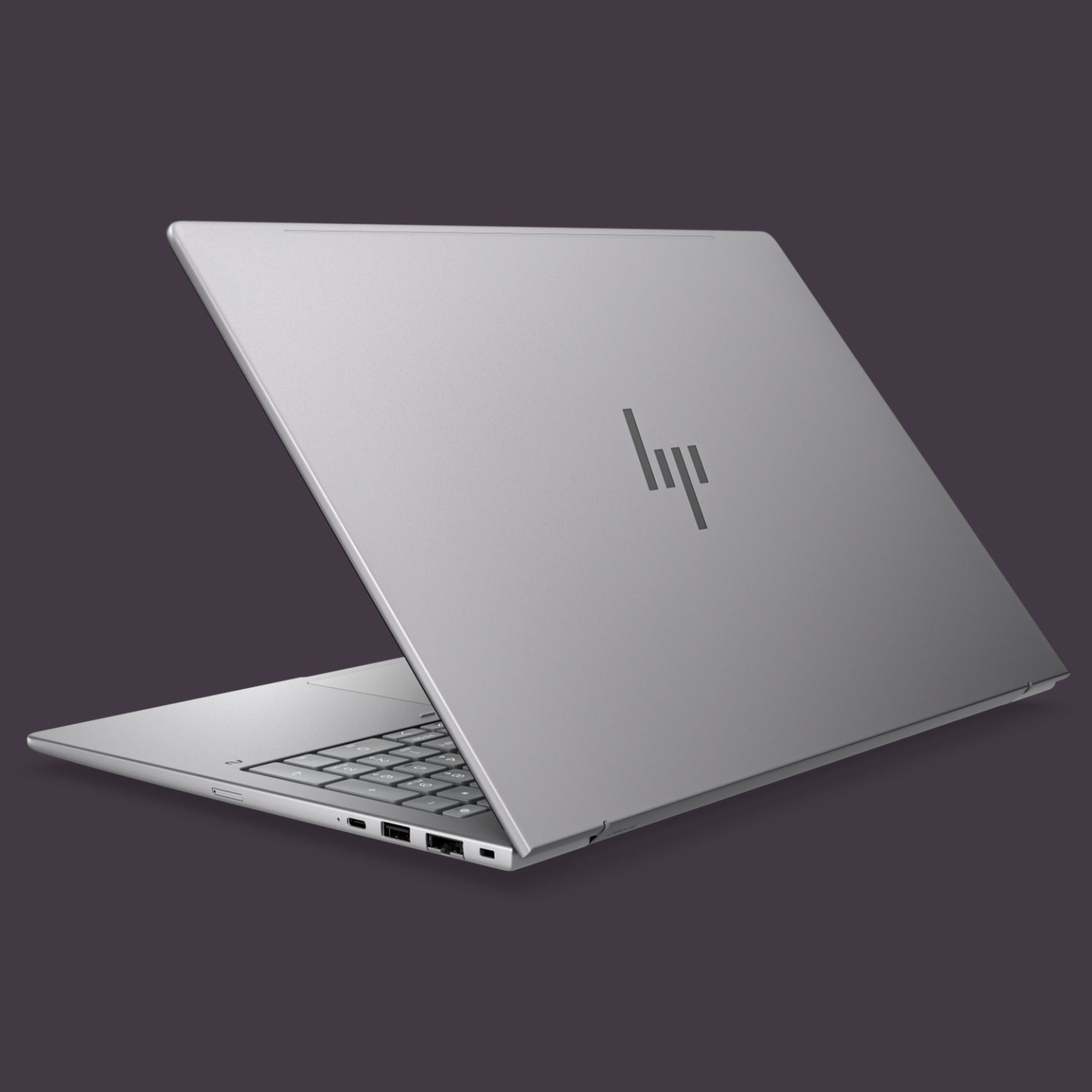
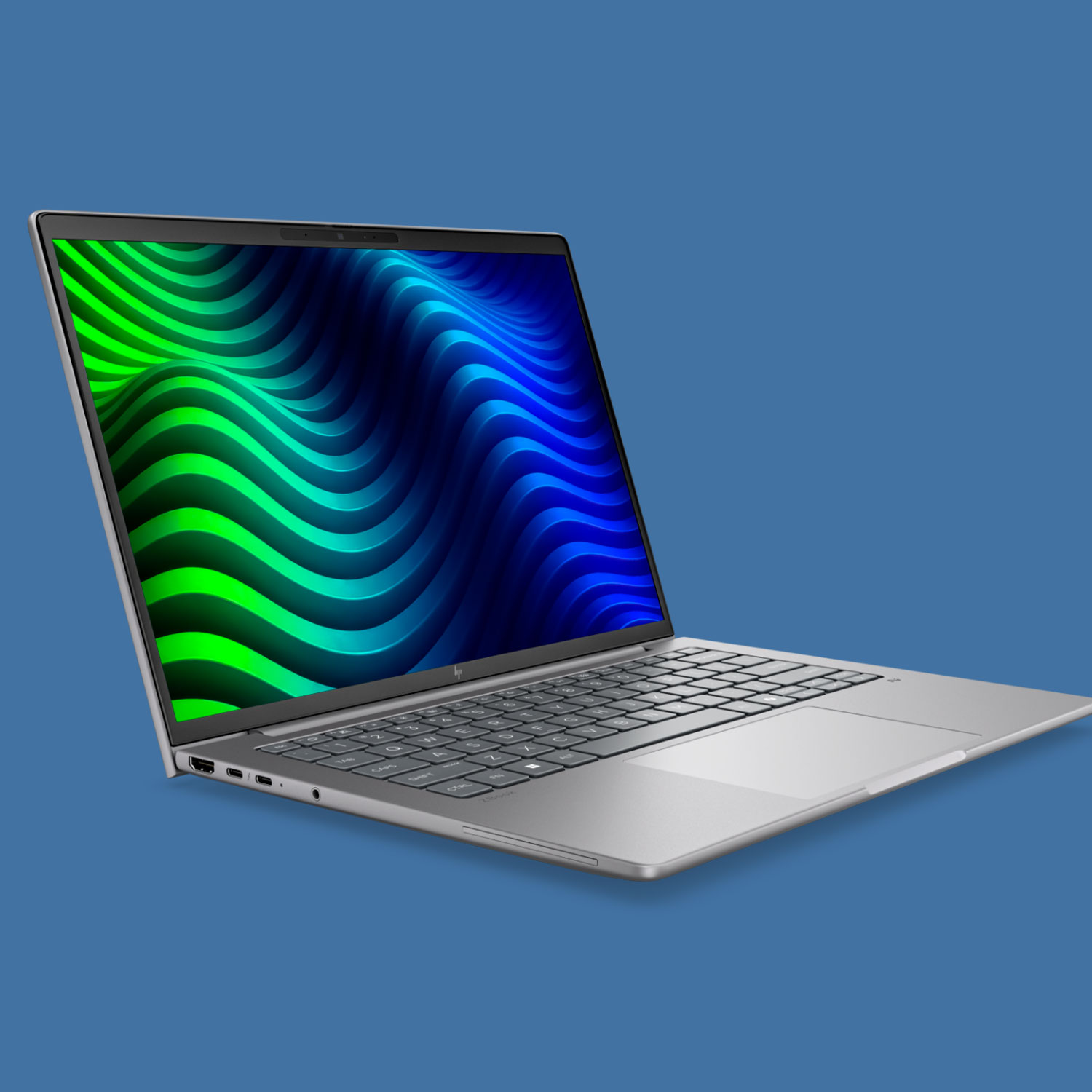
HP has introduced three new ‘thin and light’ mobile workstations – the ZBook X G2i (16”), HP ZBook 8 G2i (14/16”) and HP ZBook 8 G2a (14/16”), where the ‘I’ denotes Intel and ‘a’ denotes AMD.

Details are still thin on the ground, but HP has said the ZBook X G2i supports up to an Nvidia RTX Pro 3000 Blackwell GPU and up to 128 GB of memory and starts at just under 2kg.

Meanwhile, the HP ZBook 8 G2i/G2a comes with integrated Arc Pro or AMD Radeon graphics with scalable dedicated VRAM, while the Intel version can be augmented with an Nvidia RTX Pro 500 Blackwell GPU. Both machines come with a GAN AC adapter that is 50% lighter and 40% smaller than before.


HP IQ: enabling local AI

The new mobile workstations support HP IQ, a technology designed to help orchestrate local AI workflows and improve connectivity between HP devices – all by using local, private compute without having to send data to the cloud.

Features include ‘Ask IQ’ for contextual answers via text or voice, ‘Analyze’ for summarising and extracting insights from personal files (PDF, TXT, DOC, PPT) without having to send them to cloud, ‘Notes & Knowledge’ for keeping and organising interaction records, and Meeting Agent for capturing ideas and notes during meetings without switching apps.

HP IQ also include HP NearSense, which in the first instance will allow HP devices to more easily find each other, connect securely, and hand off content. Meanwhile, single-click join will enable ‘seamless, one-click options’ for joining conference room meetings.

HP IQ is accessed through HP’s universal Visor multi-modal interface, which “appears when needed and fades away when not,” and can be centrally managed by IT via the HP Workforce Platform. It is powered by GPT OSS 20B, an open-source 20-billion-parameter local AI model that runs entirely on-device and does not require internet access, although it can be configured to access live information from the web when some questions are asked to the AI model.

HP IQ is accessed via HP’s universal Visor “multi-modal” interface which ‘appears when needed and fades away when not” and can be centrally managed by IT through the HP Workforce Platform.

It uses GPT OSS 20B, an open-source 20 billion parameter local AI model, which does not require internet access.

Advertisement