

AI is transforming how design ideas emerge, but architects remain responsible for shaping, refining, and realising concepts in the real world, writes Roderick Bates, senior director product operations, Chaos
Like all trades, architecture is an industry that is shaped by its tools. The tools intrinsic to a given trade assert a strong push and pull relationship with craft and outcome, and architectural design is no different. From the drafting table to the rise of CAD and the adoption of powerful tools like BIM and real-time visualisation, each shift changes the process of generating, testing, and communicating design concepts, geometry, and ideas. AI is the latest tool asserting influence on the practice of architecture, and it’s already having an impact that exceeds many of the tools that came before it.
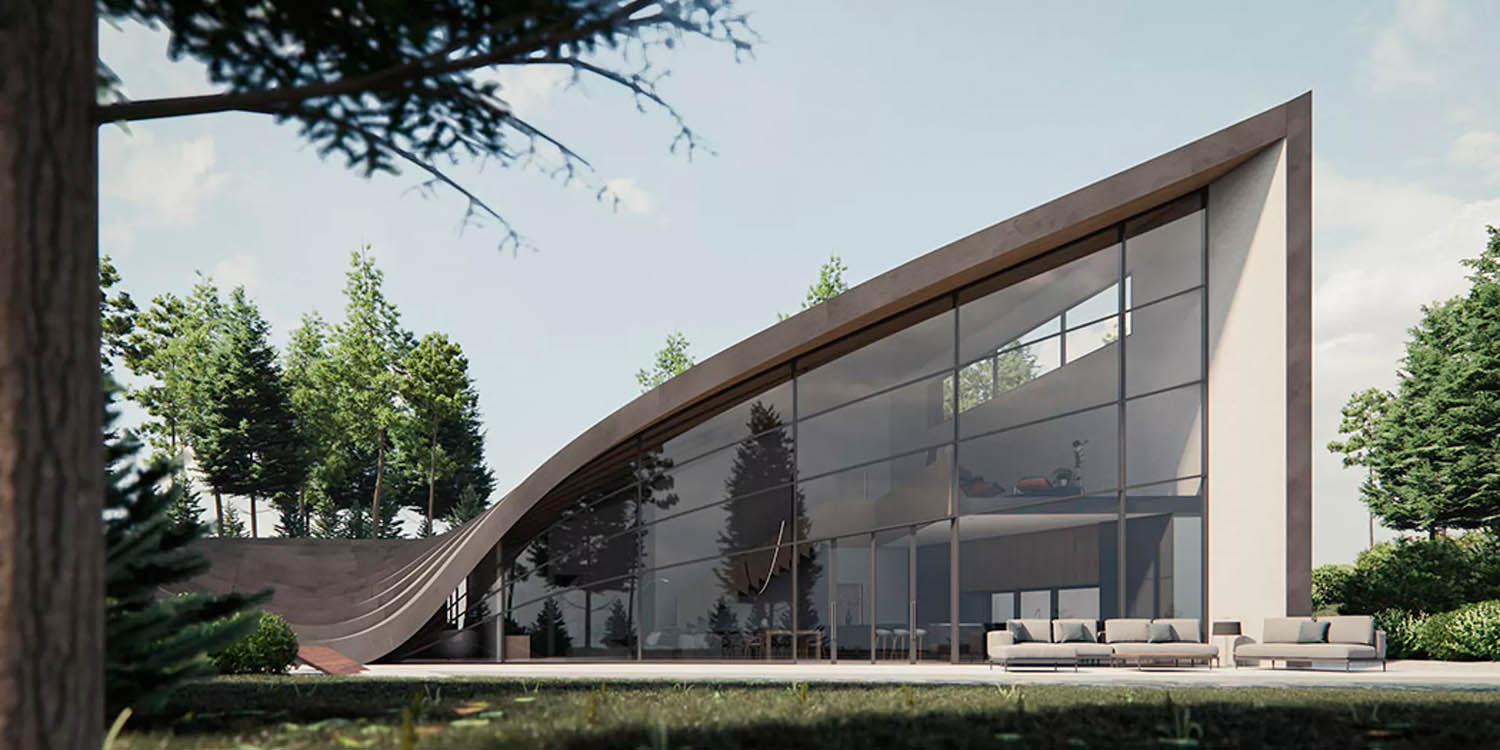
Today, thanks to the wide availability of image-generation tools powered by AI, clients can walk into a studio with a clear visual concept of their dream building. Gone are the days of tentative sketches and back and forth discussions about details they are envisioning. Instead, a client, absent of any expertise, can turn a loosely formed idea into a realistic picture almost instantly.
While this shift fundamentally changes the starting point for both the design and the architect client relationship, it doesn’t change the goal of an architecture project. After all, the value of design, and of the architect who created it, has never been merely in the creation of images, but in the judgment required to define their meaning and assess their relevance to the project at hand, all in service of delivering a building.
Discover what’s new in technology for architecture, engineering and construction — read the latest edition of AEC Magazine
👉 Subscribe FREE here
A new beginning, not a finished idea
Where clients once relied on descriptions and rough sketches to convey an idea or ask, they can now present architects with AI-generated imagery that represents their vision, even when the images are entirely unbuildable. What these client generated visual artifacts do is surface the client project goals and ambitions early, clarifying preferences, and serving as mediating artifacts for conversations about form, mood, and intent. While they serve many functions, what they clearly are not are designs that can actually be built.
Common AI models don’t understand the contextual nuances needed for functional design. They cannot weigh cost against longevity, aesthetics against responsibility, or understand the nuanced physics of material weathering, water infiltration, and thermal performance. AI-generated imagery is a tool for exploring possibilities, but it fundamentally lacks the judgement necessary for determining the viability. Fortunately, the early design phase has always been about exploring options, but it is also about knowing which paths not to take, focusing the design enough to support the process of refinement in subsequent phases. That responsibility still sits firmly with the architect.


Authorship as responsibility

AI makes the question of authorship inevitable. If a client arrives with an image at the start of the project, who is the intellectual and architectural author of the finished building?
Architectural authorship is more than just who came up with the idea, it’s fundamentally about accountability. The architect assumes accountability by deciding what design best meets the clients
requirements, satisfies relevant compliance requirements, and by translating the design into a documentation set for construction. Any initial visuals are fed into the larger design process, where they are evaluated against the architect’s knowledge of an area’s geography, regulations, and aesthetic specifications. This judgement is the professional responsibility of the architect and is what transforms a compelling and aesthetic picture into a structure that can function and endure.
Forging a creative partnership
With clients arriving with an AI image of their design vision, architects are given a pathway to expedite conversations with clients about aesthetic preferences, allowing for a deeper dialogue regarding trade-offs, constraints and consequences. The value shifts the consultation process away from producing visuals towards bringing the client’s vision to life.
Where clients once relied on descriptions and rough to convey an idea or ask, they can now present architects with AI-generated imagery that represents their vision, even when the images are entirely unbuildable
This is also where architects increasingly use their own visualisation and rendering workflows to test ideas, challenge assumptions and communicate intent with precision. High quality 3D visualisation allows the level of precise control necessary for ideas to be explored rigorously, supporting deeper conversations, clearer feedback and more informed decisions long before construction begins.
It’s at this stage that architects can also utilise AI as a copilot in their workflow, speeding up the feedback loop. It’s important to remember though that just because something is faster, this doesn’t mean the perfect image is created instantly. Oftentimes working with AI is about being able to generate and test a higher volume of options quickly which can then be narrowed down by the architect, saving countless steps and reducing the time it takes to complete a project.
Authorship in an evolving landscape Architecture has always been a careful dance, balancing imagination with reality, and whilst AI is changing how quickly ideas can appear, it falls short when it comes to understanding what is actually a good design.
As clients arrive with AI-generated concepts in hand, the role of the architect is not to compete with tools, but to apply judgement, to refine, contextualise and realise ideas in the physical world.
Ultimately, AI is influencing where design begins but creative authorship lives and ends with the architect who decides what gets built and why.