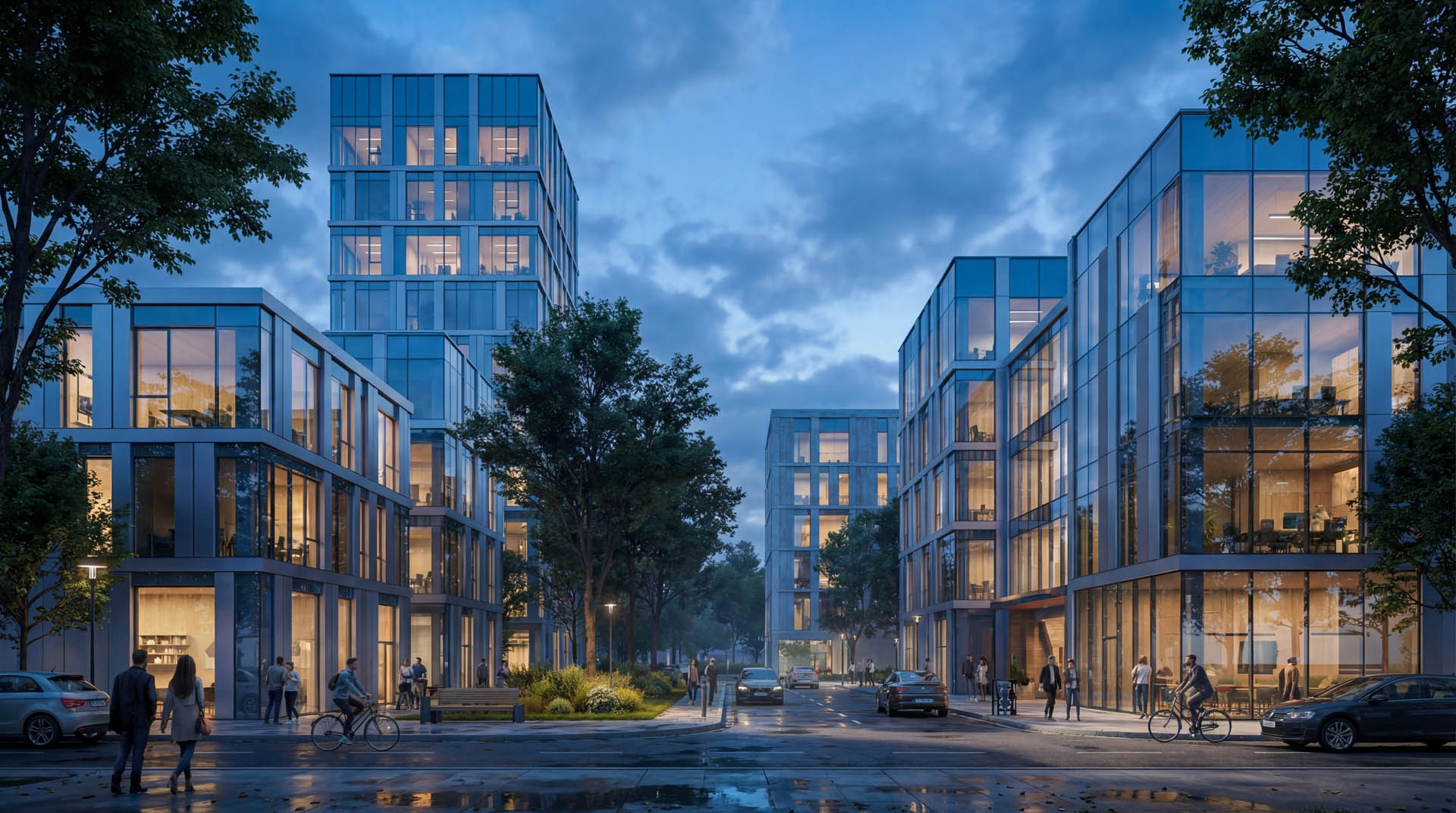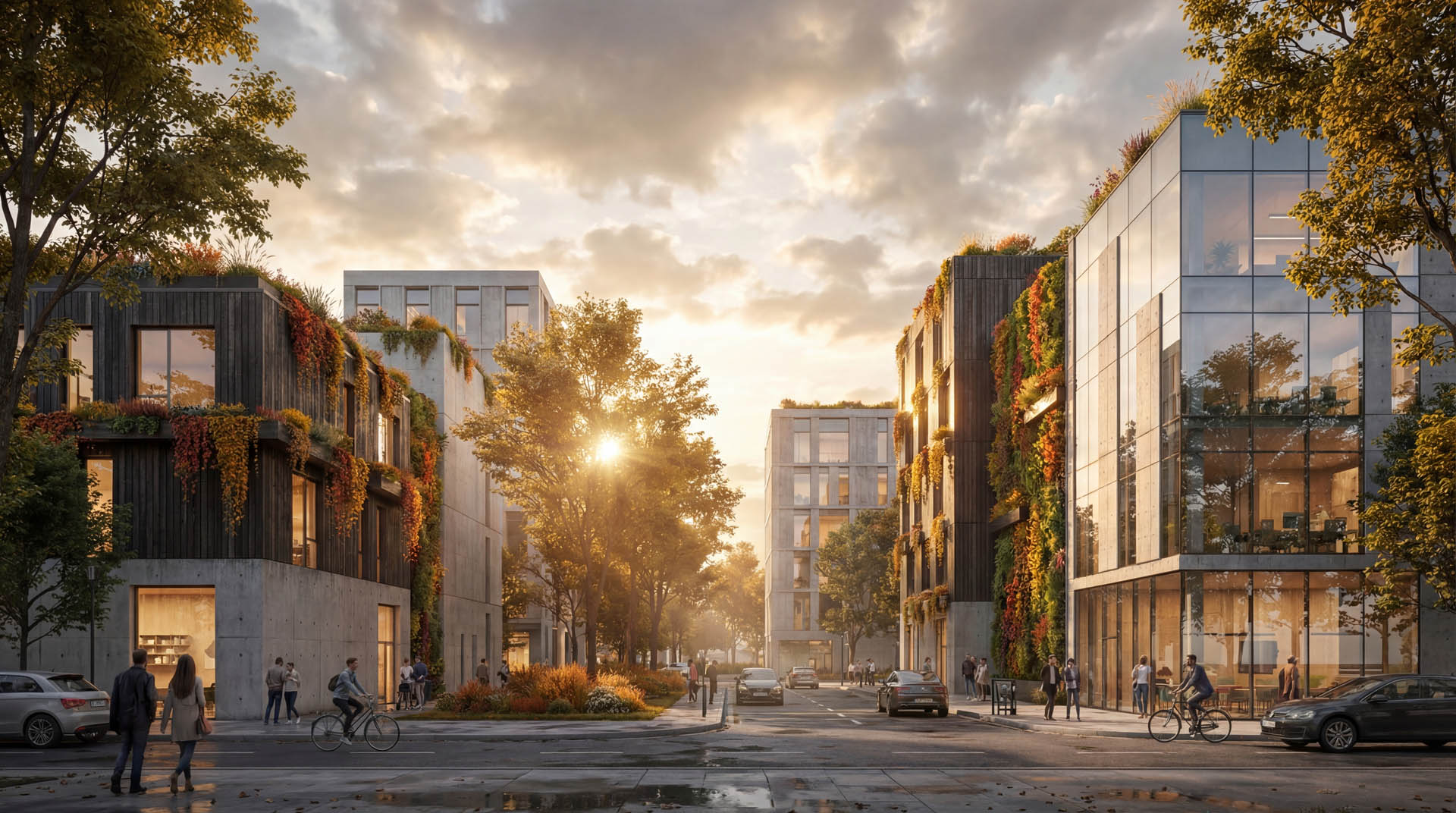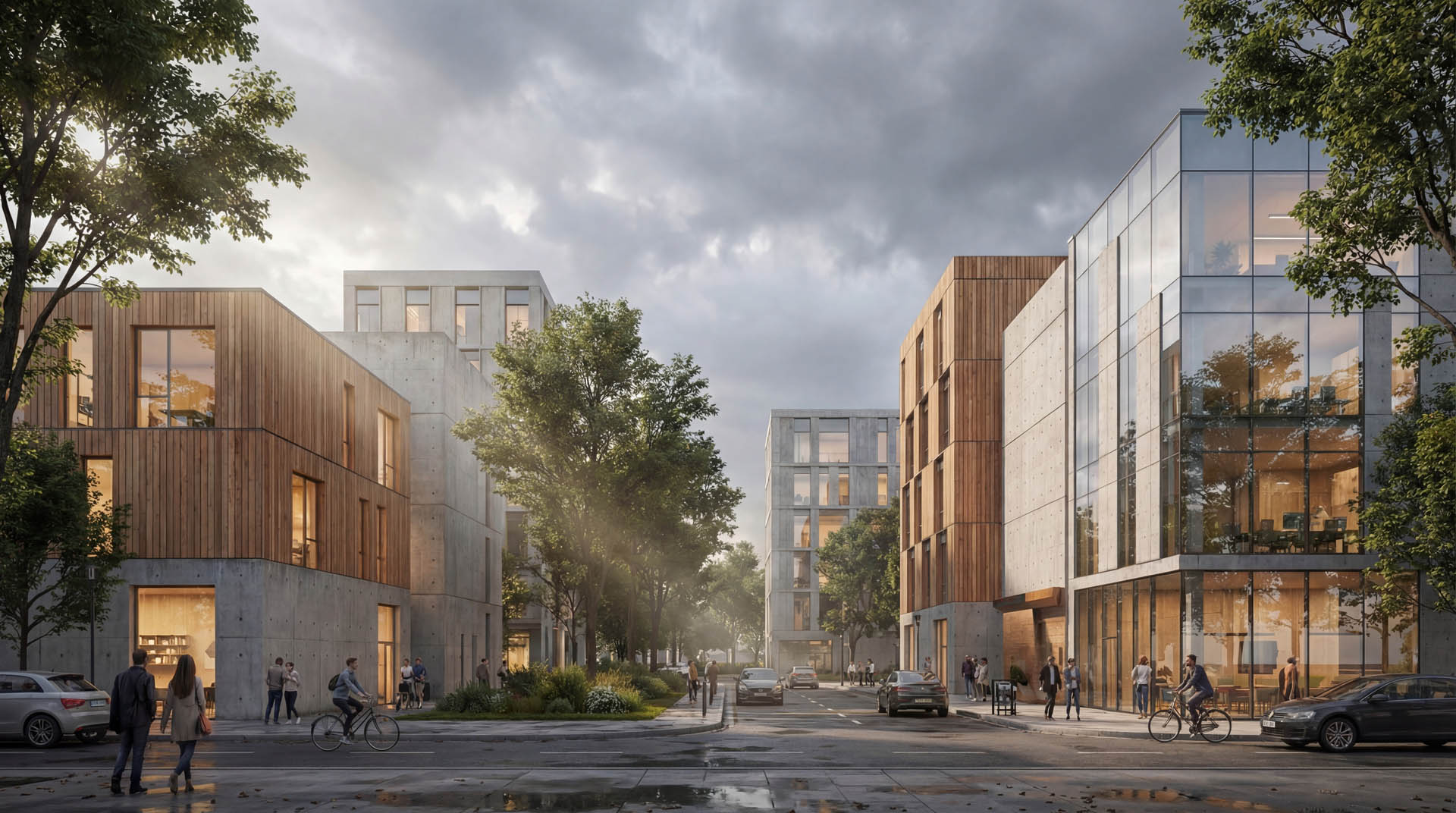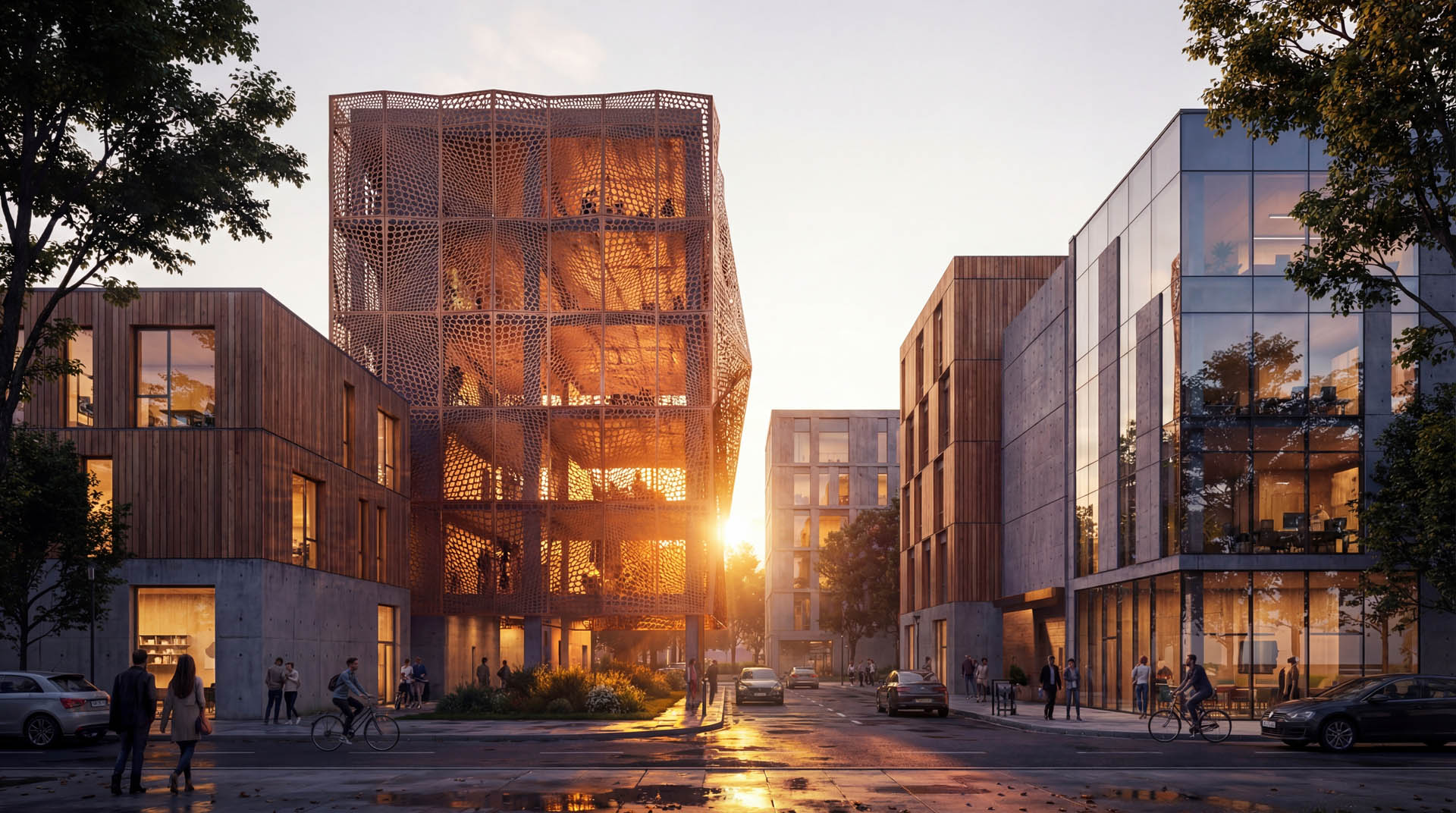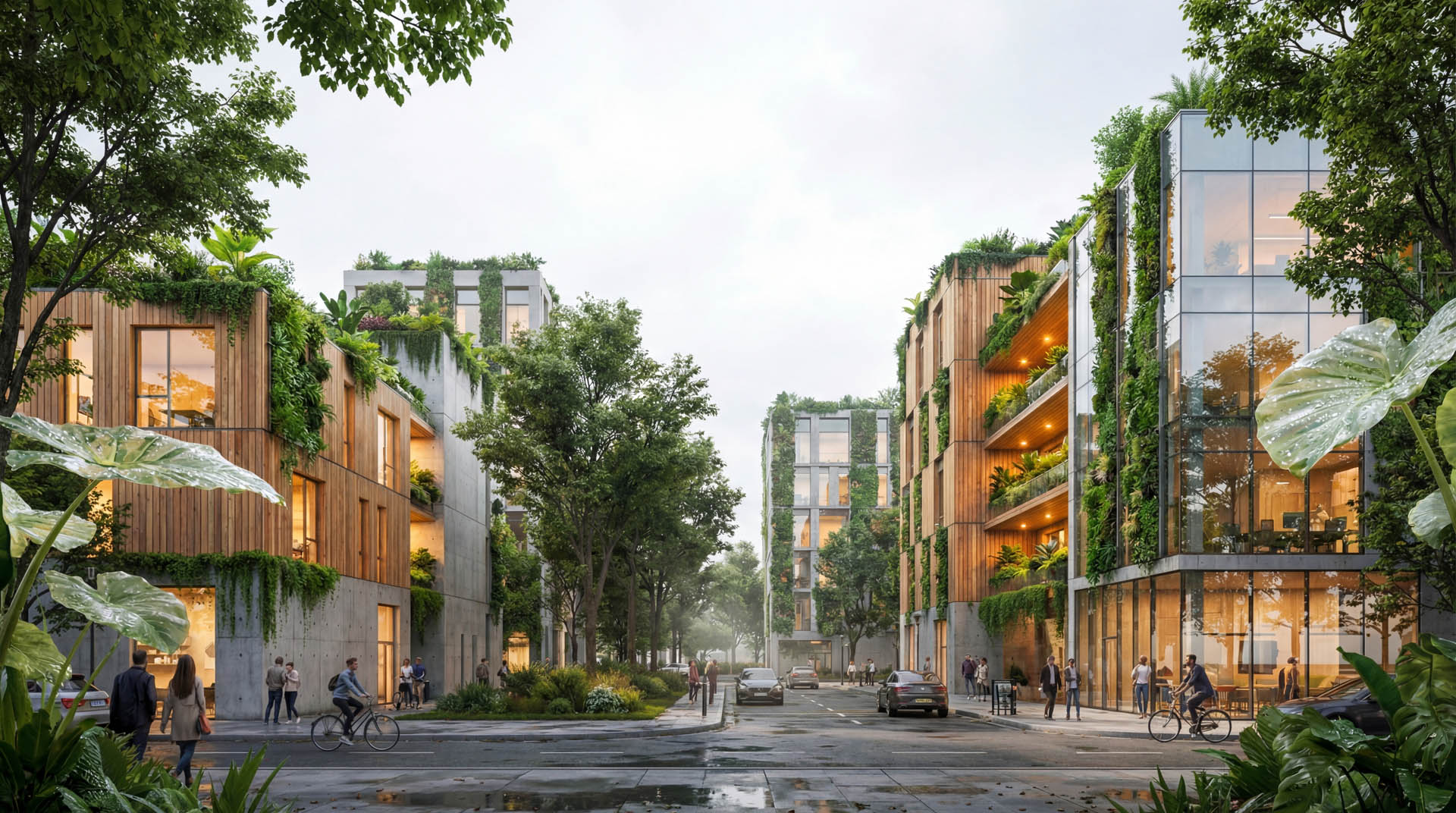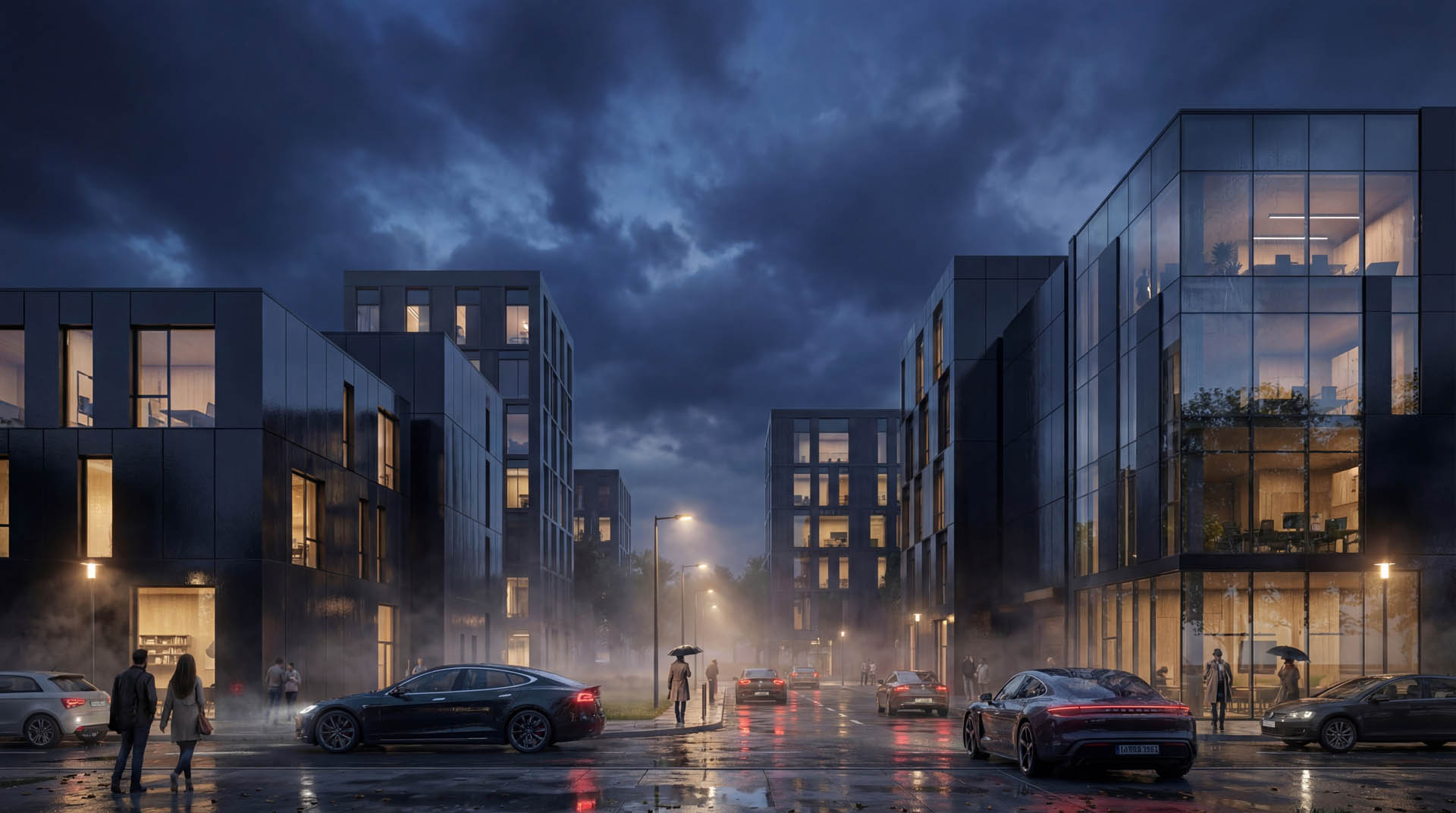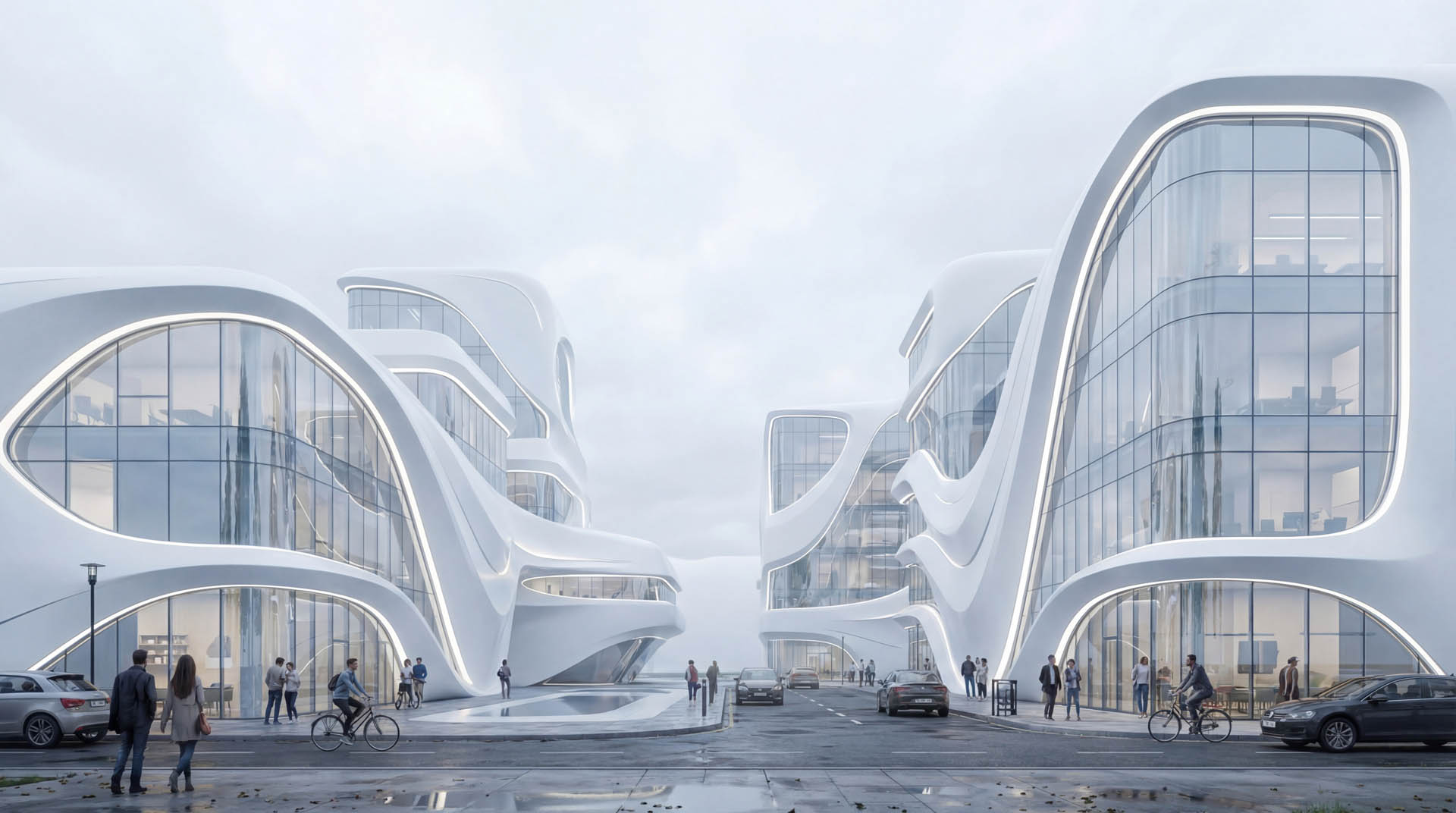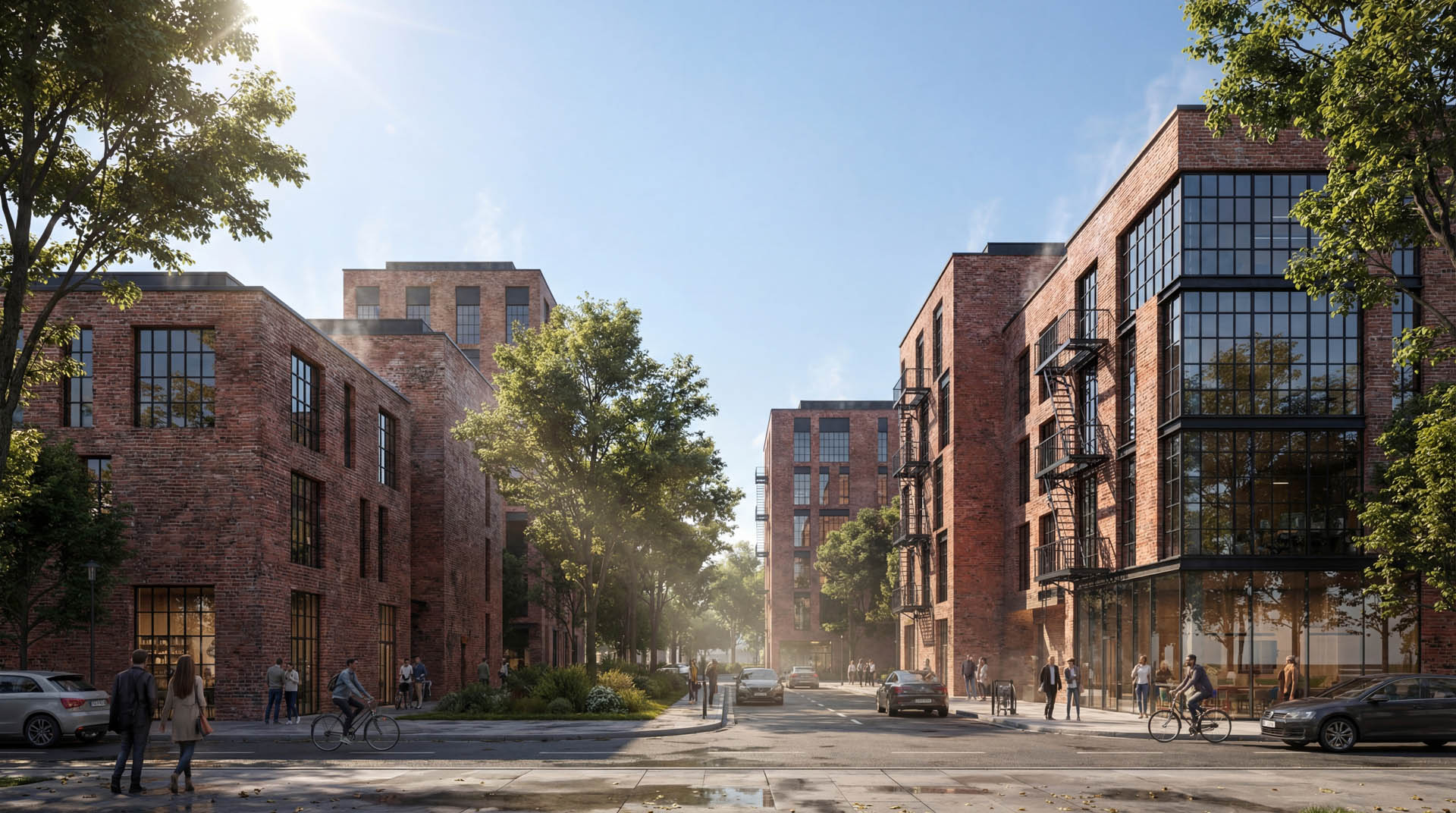

New engine said to deliver higher visual fidelity, improve accuracy and introduce new ways for architects and designers to explore ideas
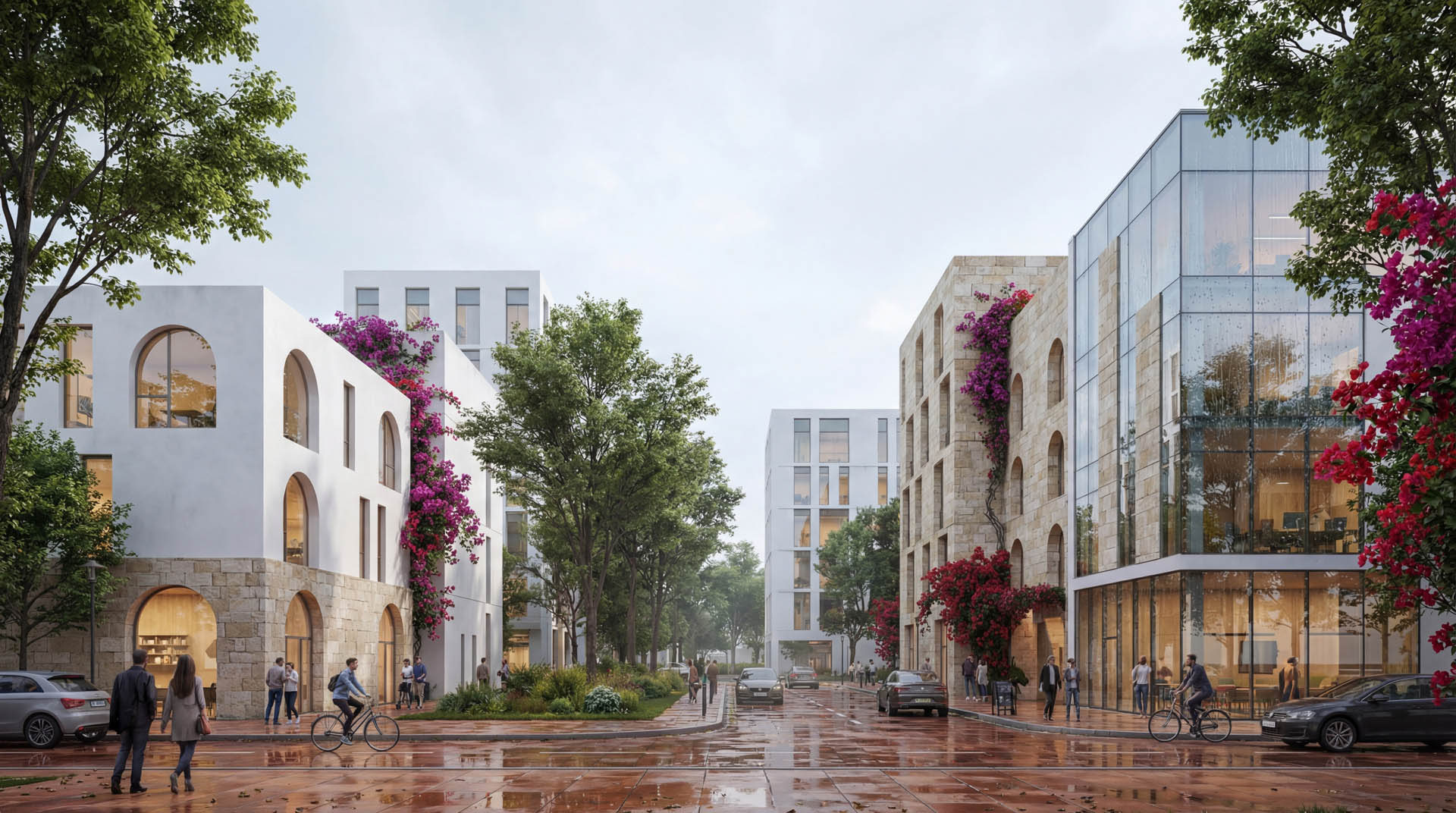
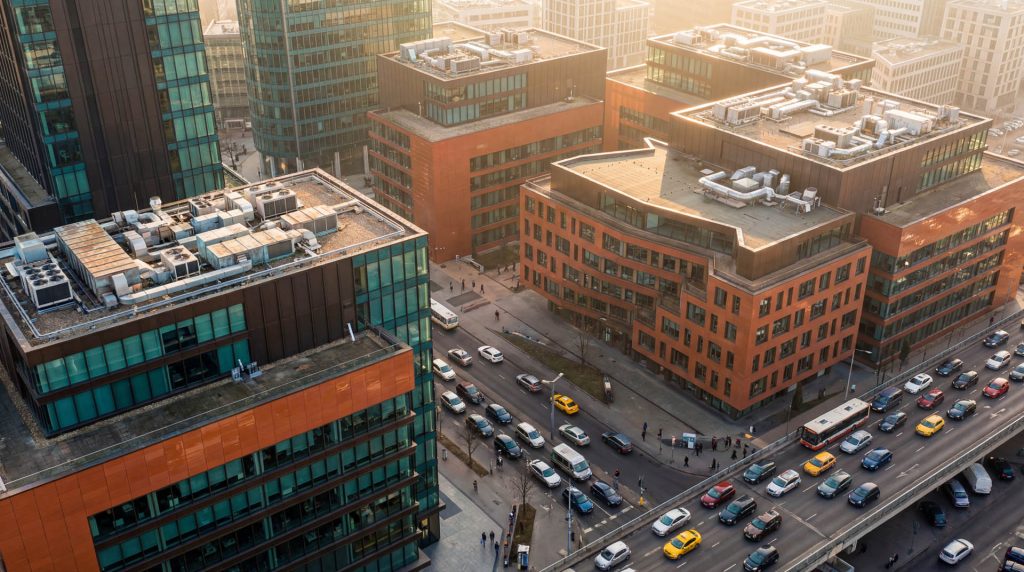
Chaos Veras 4.0, the latest release of the AI-powered ideation and visualisation tool for architects, includes a new AI rendering engine powered by Google’s advanced image-generation model, Nano Banana Pro.
According to Chaos, the new engine delivers higher fidelity, fewer visual errors, and more reliable design output, and significantly improves how Veras understands geometry, lighting, and materials.
The Nano Banana–powered Render Engine 7 is also said to unlock new workflows that were not previously possible in Veras, from turning 2D plans, drawings or hand-sketched images into 3D scenes, to creating interiors from mood boards, and producing multi-angle perspectives that retain correct geometry.
Designers can add entourage or furniture with a single prompt or make changes such as “change the chair colour” without selecting objects individually.
Veras 4.0 also gives designers stronger control over prompts. Chaos explains that instead of treating prompts as loose suggestions, the new engine interprets them as clear instructions, producing outputs that more closely follow the intended style, material changes, or environmental adjustments.
“When AI renders drift from the design, they create rework, lost time, and awkward moments in client reviews,” said Bill Allan, director product management, Chaos. “Veras 4.0 directly addresses this by keeping the AI aligned with the designer’s vision, rather than inventing its own version of the project. With greater control, designers can trust Veras to reflect their intent while exploring concepts quickly and confidently.”


Veras 4.0 also introduces practical improvements, like ‘Image Reference as Input’, which allows designers to guide new outputs using an existing image, matching its style, materials, and overall look, and ‘Gallery Mode’, a grid-based, thumbnail view of all past renders, which makes it easier to compare variations over time.
Twelve new Video Presets have also been added, giving designers ready-to-use settings for animation. According to the company, they make it easy to produce smooth, photorealistic motion with balanced lighting and a consistent, cinematic style, while reducing setup time.
Veras is designed to help architectural or interior designers generate fast, design-faithful visuals directly from SketchUp, Revit or Rhino, without needing to be rendering experts. The previous render engines, based on Stable Diffusion, are still available.