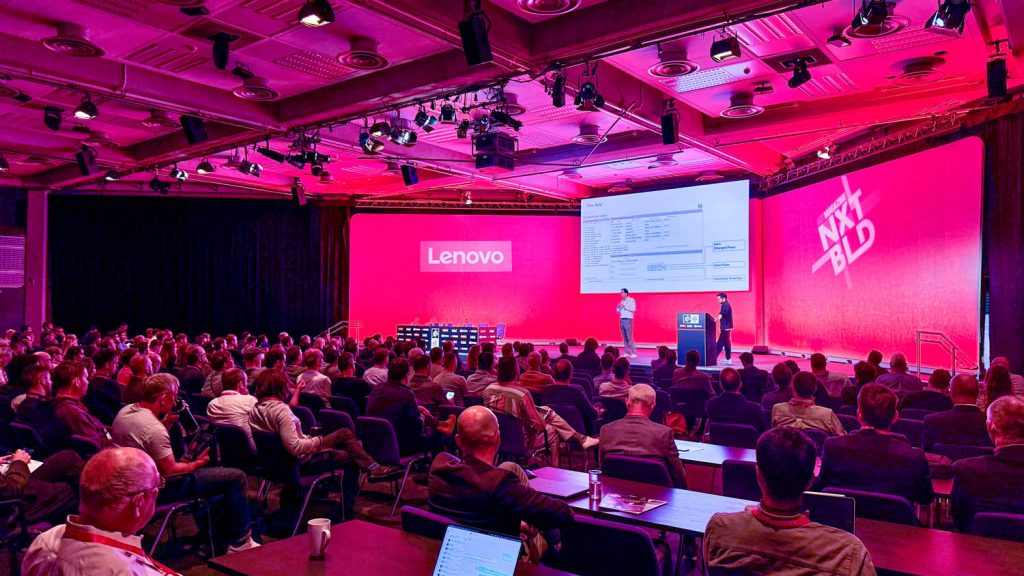

The AEC industry is on the verge of monumental change, driven by transformative technologies arriving at an unprecedented pace. To prepare for the future and to help shape what comes next, it’s never been more important to attend NXT BLD.
Below, we outline Eleven key themes that will define this year’s NXT BLD
NXT BLD 2026
13-14 May 2026
Queen Elizabeth II Centre
Westminster, London
Tickets start at £125 + VAT
www.nxtbld.com
Day 1 – NXT BLD
Offers a blend of practitioner-focused workflow advances, standout projects, emerging technology, and workstation hardware. There’s a strong focus on agentic BIM, open data systems, autonomous design and BIM 2.0 – plus several major software launches and parallel conference streams for architecture and construction.
Day 2 – NXT DEV
Looks further ahead, bringing together thought leadership and panel discussions, including best-practice deployment insights from across the AEC tech industry. There’ll be deeper dives into data, agentic AI, autodrawings, the future of BIM, reality modelling, plus a focus on future business models, budgeting for AEC software, hot new startups and a dedicated conference track for in-house software development.
From BIM to autonomy: the next phase of building design
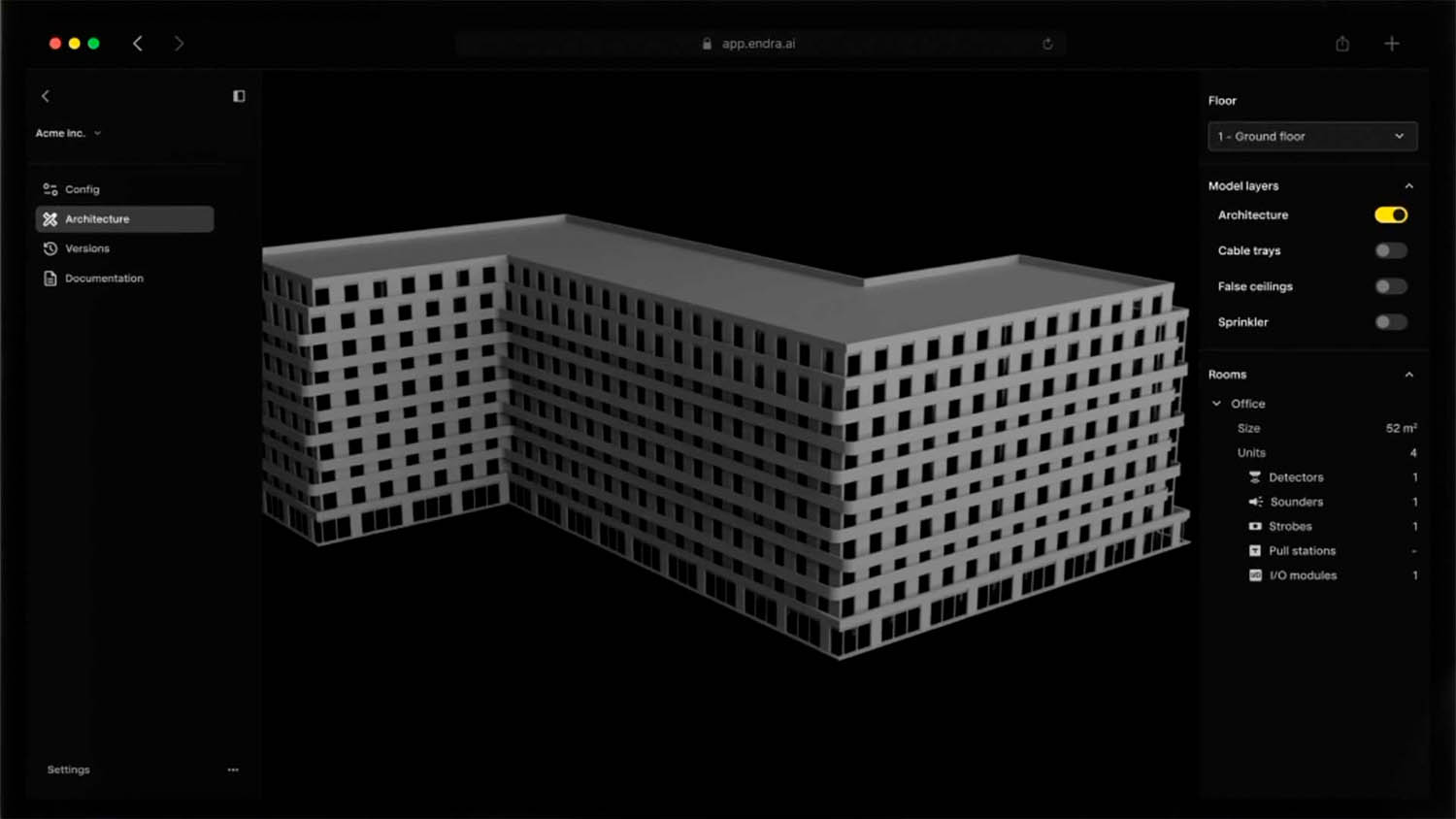
Autonomous design is one of the defining threads running through NXT BLD 2026, particularly on the engineering and construction side of the conference programme. In a world first, NXT BLD will bring together all the key innovators in autonomous MEP and structural design into a single, focused track.
Augmenta, Hvakr, Endra and Branch 3D are collectively pointing to a future where large parts of building engineering simply design themselves. These tools take BIM models and project parameters and automatically generate, size and optimise systems – from MEP layouts to structural frames – with minimal human intervention. In some cases, they operate in near real time, giving instant feedback as designs evolve.
This has major implications for both engineering consultancies and architects. For consultants, autonomous tools offer the next level of productivity, massively compressing design cycles and allowing engineers to focus on edge cases, judgement and oversight rather than repetitive modelling, calculation and drafting. This is one reason why AECOM acquired Consigli last year.
For architects, the impact could be equally disruptive: the traditional RIBA Plan of Work phases and hand-off rhythms start to break down when structural and MEP responses can be generated as fast as you can move a slab or a wall.
The future of AEC data
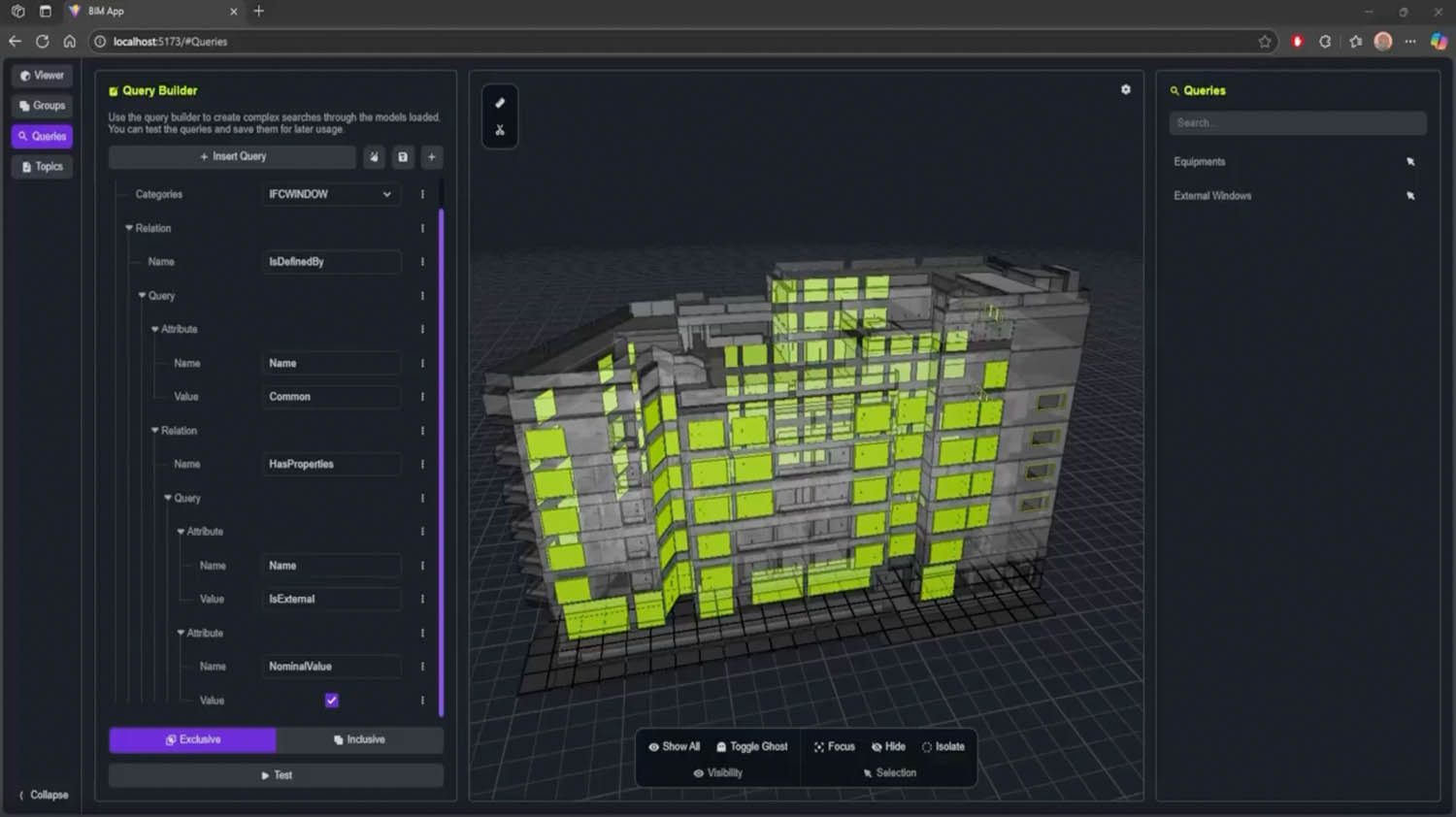
Data is no longer being treated as exhaust from design tools, but as the primary product around which platforms, agents and business models are being rebuilt. The conference will surface how firms are moving from monolithic BIM files and siloed CDEs to streamed, queryable, open data structures that can support real-time decision-making and automation.
Talks such as Christopher Diggins’ session on “your BIM isn’t slow, the data is” highlight how model performance, scalability and responsiveness depend far more on how data is structured than on raw hardware. Expect deep dives into efficient binary representations like Parquet, and how these enable instant querying and rendering of massive-federated models.
Panels on data strategy will explore how to design schemas, governance and pipelines that can serve both current BIM workflows and emerging AI agents. There is also a strong focus on portability and longevity: getting out of tool-specific silos so that data can move between analysis, visualisation, simulation and fabrication environments without constant re-work.

The agentic future of BIM
At NXT BLD 2026, the AI spotlight will shine brightly on the agentic future of BIM, where fleets of software agents work continuously on your data and projects. Instead of individual features or point tools, the focus is on systems that act autonomously, orchestrated over open schemas, data lakes and APIs.
You’ll see examples of this shift from Alain Waha (Buro Happold) and Greg Schleusner (HOK) who are starting to define what an “agentic” design, coordination and collaboration environment actually looks like in practice.
Meanwhile, our agentic AI and development panel will delve deeper, asking what firms should build themselves, what future platforms should deliver, and how SDKs plus AI compress the time from idea to robust application.
Underneath it all is a strategic question: who will own the agents, the infrastructure and the economics of this new AI driven stack – vendors, customers or a mix of both?

BIM 2.0: New platforms. New data foundations.
BIM 2.0 is a generational reset: new modelling platforms, new data foundations and new expectations for what a “BIM tool” should do.
All of the major BIM 2.0 startups (Arcol, Motif, Snaptrude and Qonic) will be at NXT BLD – on stage and in the exhibition, so you can compare and contrast and plan your future tech stack. You’ll also get a first glimpse of NeoBIM, a brand-new tool from one of the founders of real-time viz pioneer Enscape.
NXT BLD also stresses that BIM 2.0 is as much about ecosystems as applications. There is a strong emphasis on SDKs and APIs and open schemas that make it easier to plug in autonomous design services, reality capture, agentic workflows and project-specific extensions. The result is a move away from single vendor monoliths toward composable toolchains.

The end of waiting for new software features?
“Applications on demand with AI” captures one of the most transformative themes at NXT BLD: the idea that firms can generate fit for purpose tools in days, rather than waiting years for vendors to deliver features. AI assisted coding, combined with robust SDKs and open data platforms, is collapsing the barrier between idea and implementation.
Talks from outfits like The Open Company, as well as customer stories, show how internal teams are using AI plus SDKs to assemble small, targeted applications that sit on top of existing BIM data lakes and CDEs. These apps automate very specific workflows – from checking and reporting to optimisation and visualisation – and are disposable or replaceable as needs evolve.
The agenda makes clear that this is not about hobbyist scripts, but about production grade software, sometimes supported by vendor supplied building blocks from companies including Creeox, TechSoft 3D, AMC Bridge and Viktor. Panels explore where the line sits between platform and customer, what responsibilities vendors have in providing safe, extensible SDKs, and how practices should organise themselves to exploit this new capability.
One of the most transformative themes at NXT BLD is the idea that firms can generate fit for purpose tools in days, rather than waiting years for vendors to deliver features. AI assisted coding, combined with robust SDKs and open data platforms, is collapsing the barrier between idea and implementation.
Tied into this is a discussion of business and funding models. NXT BLD asks what space remains for startups when customers can roll their own tools, and how independent products will differentiate in a world of AI boosted in house development. The overarching message: in the coming years, your competitive edge may rest less on which platform you buy, and more on how quickly you can spin up the tools you need on top of it.

AEC’s shift to open infrastructure starts here
NXT BLD 2026 puts open source at the heart of the conversation — not as a side note for software developers, but as core infrastructure for the next generation of agentic BIM and AI-led practice.
Expect to see the unveiling of a new collaborative opensource solution that acts as a central hub for BIM data, streaming every Revit object — wall, door, window — in real time as it is created in the desktop authoring tool, directly into an open data lake.
Meanwhile, That Open Company, whose free open ecosystem allows software developers and AEC firms to build their own software, will be launching something big.
Across the board, the aim is to give firms the means to take back control — of cost, capability, AI, and their own digital infrastructure.
Embracing the real world
Reality modelling at NXT BLD will focus on turning the messiness of the physical world into structured intelligent information that BIM, analysis and AI can act on.
Our headline speaker, Dr Florent Poux, is widely recognised for applying AI to 3D point cloud data – transforming raw LiDAR and scan data into usable ‘intelligence’ for digital twins and infrastructure workflows.
His work in semantic segmentation, machine learning and Python-driven pipelines shows how complex spatial data can be made practical for real AEC and geospatial applications — moving reality modelling from capture to cognition.
Meanwhile, a dedicated geospatial track will focus on placing buildings within their broader physical, infrastructural and environmental context. Rather than treating site and city data as a background layer, the programme emphasises geospatial as a core reference frame for design, analysis and automation with presentations from Esri, Cityweft and others.

The future of AEC innovation
NXT BLD 2026 gives unusual prominence to VCs and startups, recognising that the next wave of innovation in BIM, AI and construction will be shaped as much by funding dynamics as by technology. Beyond simply showcasing young companies, the event opens up how capital, risk and opportunity are evolving in an agentic, AI first world.
At the same time, there is a candid discussion of business models: subscription, tokens, outcome based pricing and revenue share on project fees.
For founders, investors and innovation leads inside large firms, the VCs and startups theme provides a clear view of where the market is heading, what kinds of bets are being made, and how to position themselves in an ecosystem where software can be built faster than ever, but sustainable differentiation is getting harder.

Automation comes of age in documentation
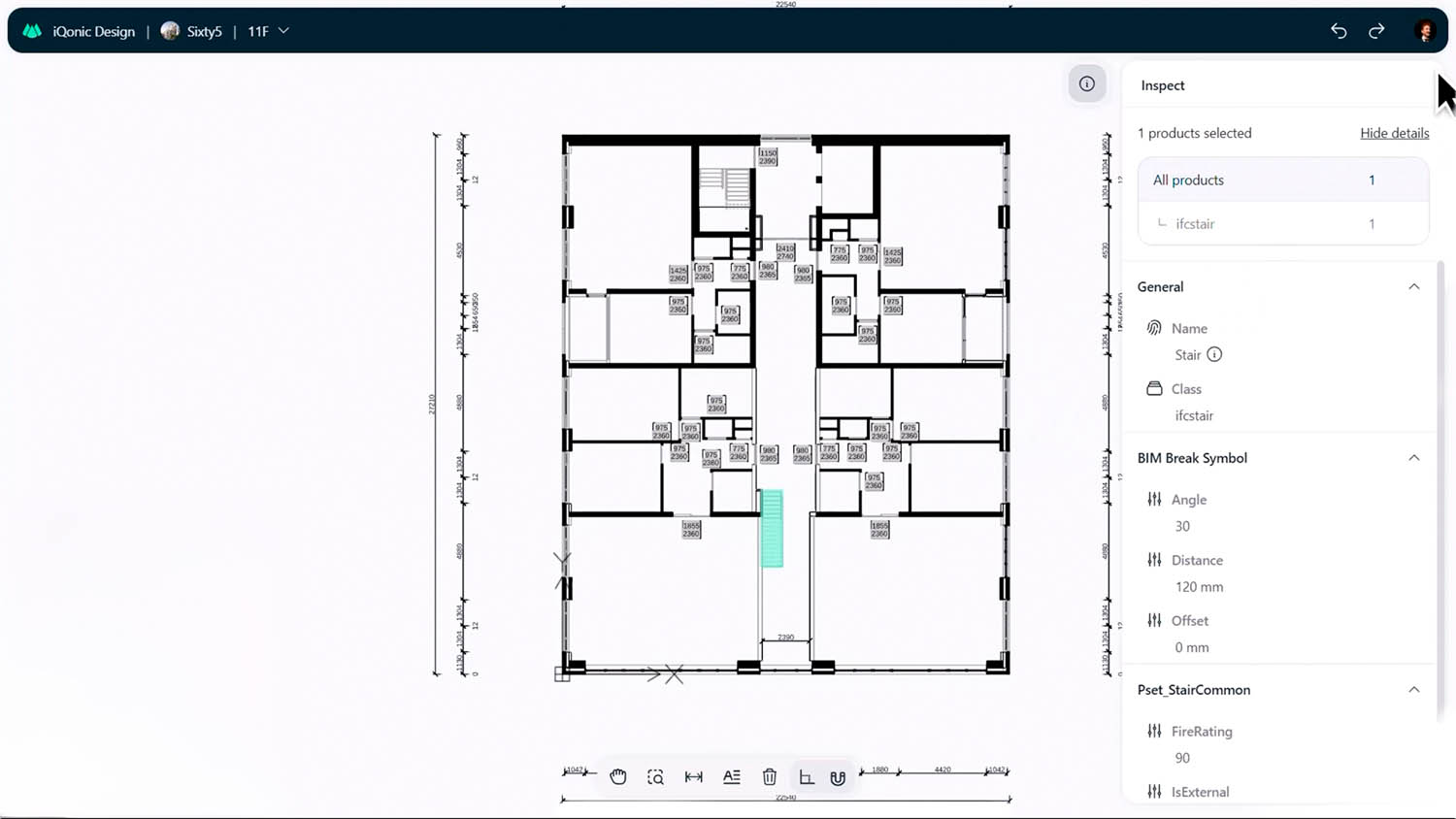
Auto drawings is where long promised automation finally becomes visible to every project stakeholder. At NXT BLD, multiple players will show how new computational and AI driven tools can generate fully annotated coordinated drawings directly from BIM or model centric workflows.
Companies such as Gräbert, whose technology was recently licensed by Qonic, and others in the auto drawings space will demonstrate technology that can lay out and update drawing sets with minimal human input, radically reducing the manual grind of placing dimensions, room tags, and annotations.
The conference also places auto drawings in a broader context: as the role of human drafters change, the focus shifts from producing drawings to curating, checking and communicating information – ensuring that what is automatically generated is legible, accurate and contractually robust.
Robotics, automation and industrialised construction
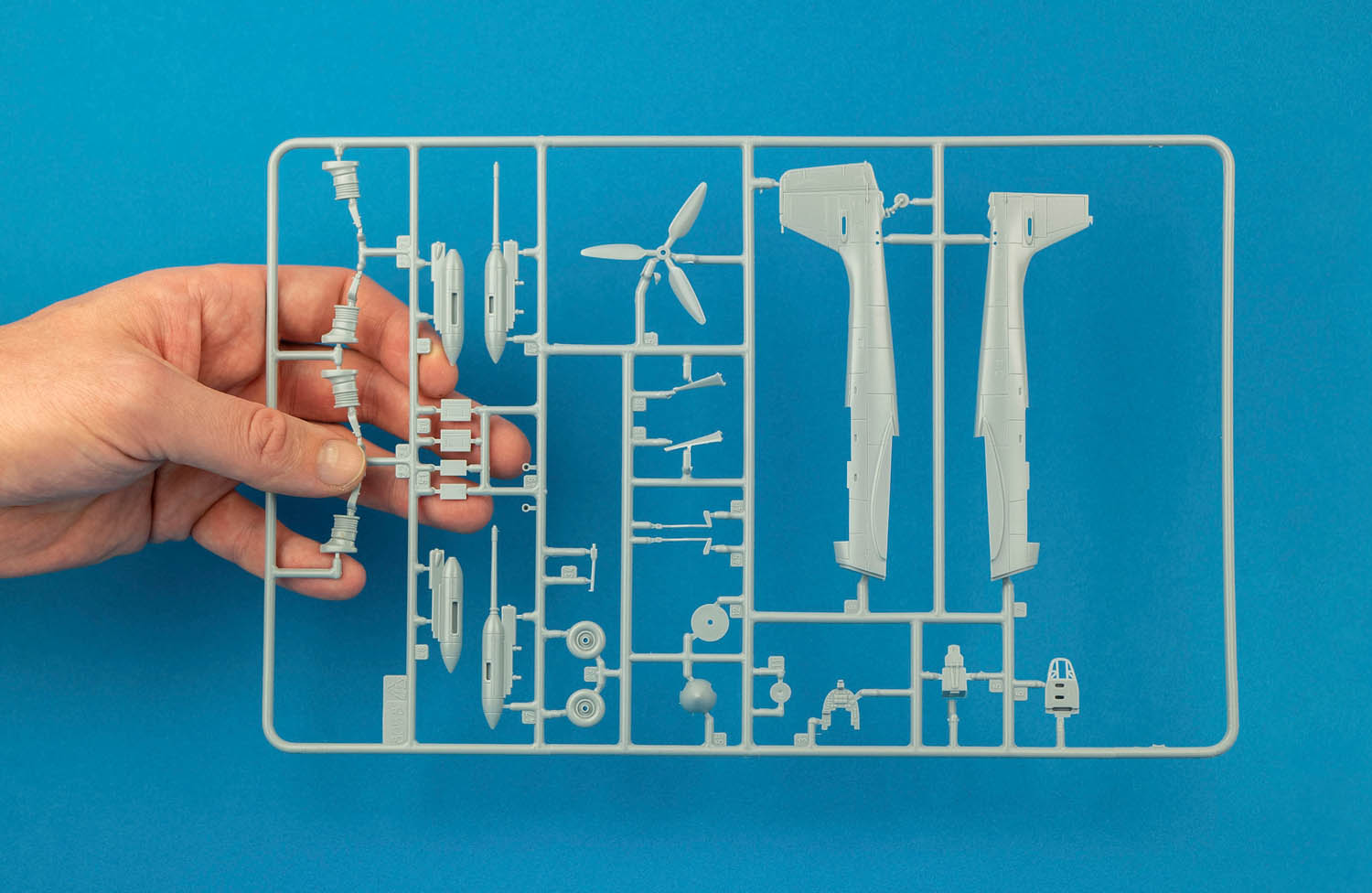
NXT BLD’s focused engineering and construction track will put the spotlight on the latest innovations from robotic fabrication – in factory and on-site – to design automation.
On the engineering side, you’ll see the cutting edge of autonomous MEP and structural design tools that calculate, route and optimise in minutes what used to take weeks.
For construction, speakers from organisations including Laing O’Rourke show how contractors are experimenting with robotics, prefabrication and one-to-one digital modelling to industrialise the build phase. You’ll hear from Admares, a company redefining homebuilding with an advanced “fully digitalised, industrialised, and productised” approach to construction.
Overlaying all of this is a pragmatic focus on risk, delivery and cost: how automation impacts liability, where human judgement remains essential, and how firms should adapt their teams and processes as more of the heavy lifting is delegated to software and machines.
You’ll also hear from Siemens and Dassault Systèmes who are bringing years of manufacturing-know from the automotive, aerospace and other high-tech sectors to AEC.
Agents of change
With so much change underway across the AEC industry, firms are increasingly focused on building not just the right software stack, but the right infrastructure to support it. This shift will be a key theme at NXT BLD, where the conversation moves beyond tools and into the environments required to run them effectively.
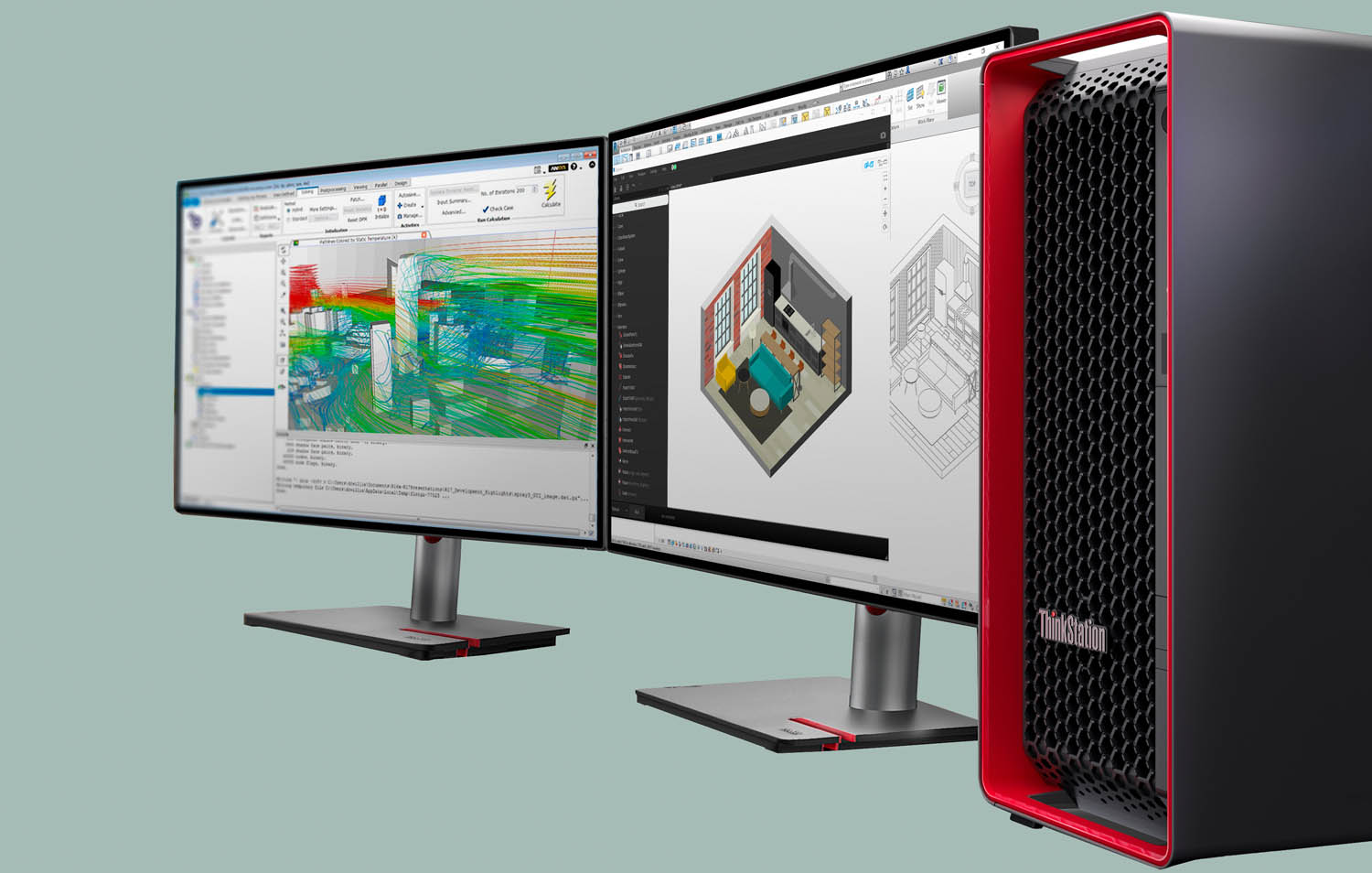
AEC organisations are investing in AI from the ground up, starting close to their data. Rather than jumping straight to cloud-only models, leading firms are using high-performance workstations as an on-ramp for AI development: enabling experimentation, prototyping, and local inference at the point of design.
Framed another way, the workstation becomes the training ground — where capability is built, confidence is gained, and ideas are tested under real conditions before being scaled more widely across the organisation.
The next step is agentic AI, where specialised agents — each running on their own dedicated AI workstation — collaborate across domains. When a wall shifts, the structural system responds. When spans extend, loads recalculate. Feedback is continuous, and the response is not issued days later in a coordination meeting — it happens as the model evolves.
Discover what’s new in technology for architecture, engineering and construction — read the latest edition of AEC Magazine
👉 Subscribe FREE here