
Chaos V-Ray 7, Update 3 to “unify real-time and final-quality rendering in a single workflow”
Architects and designers can now explore and iterate on V-Ray scenes in real time at “final-frame quality”, without switching tools or breaking their workflow. With the new Chaos V-Ray 7 Update 3 for SketchUp, Rhino and 3ds Max, real-time rendering is now available directly in the V-Ray viewport thanks to a new integration with Chaos Vantage.
Users with a Vantage licence can access this real-time visualisation capability inside their V-Ray workflow, handling complex lighting, large-scale geometry and detailed materials “without slowdown”
“By bringing real-time ray tracing directly into the V-Ray viewport, artists can iterate faster while maintaining the quality that V-Ray is known for, all within a single, unified workflow,” said Vlado Koylazov, head of innovation at Chaos.
Discover what’s new in technology for architecture, engineering and construction — read the latest edition of AEC Magazine
👉 Subscribe FREE here
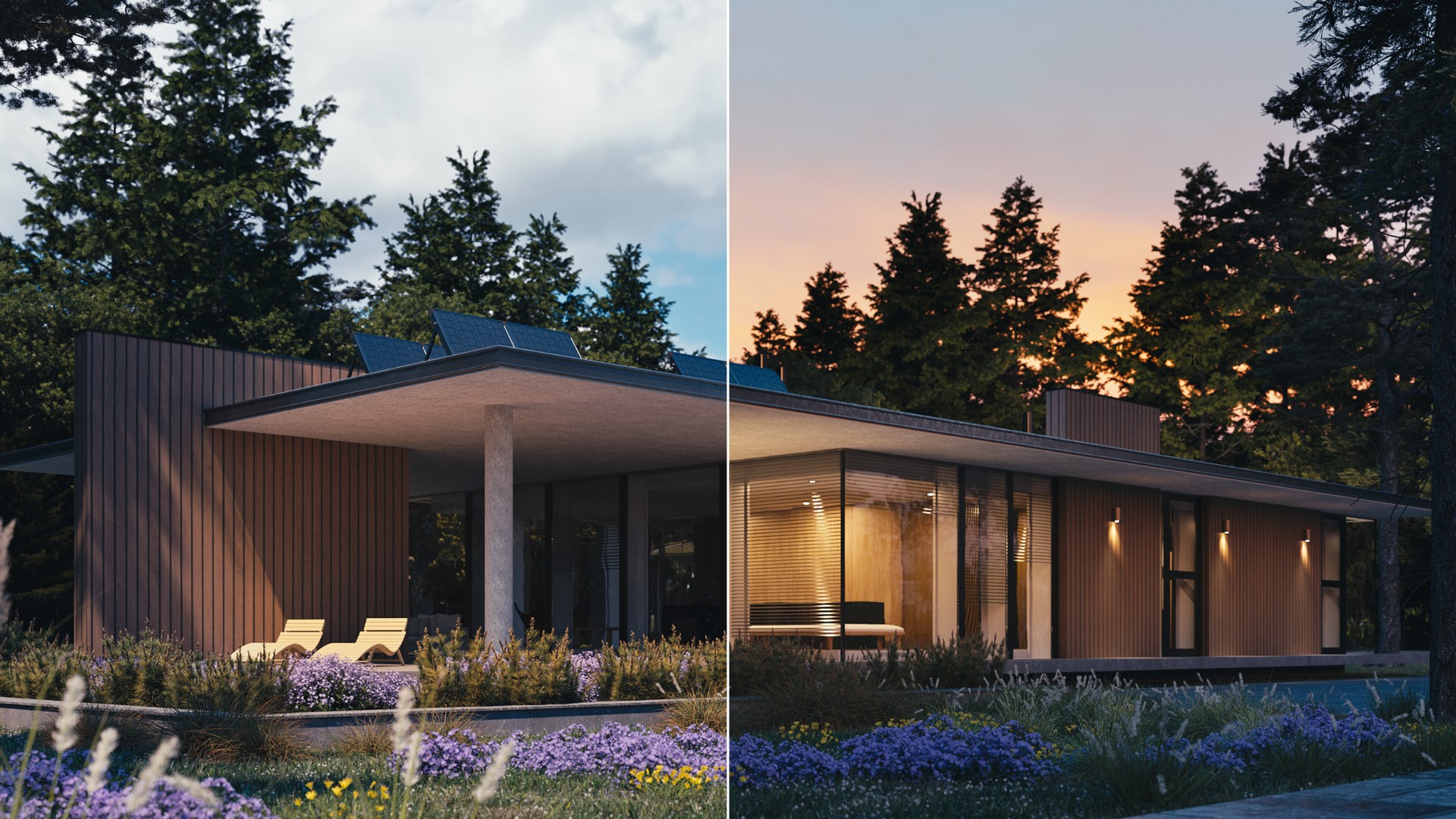
Chaos V-Ray 7 Update 3 also includes AI-powered tools to match moods and enhance materials, while collaboration improvements bring review, feedback and sign-off into a single environment.
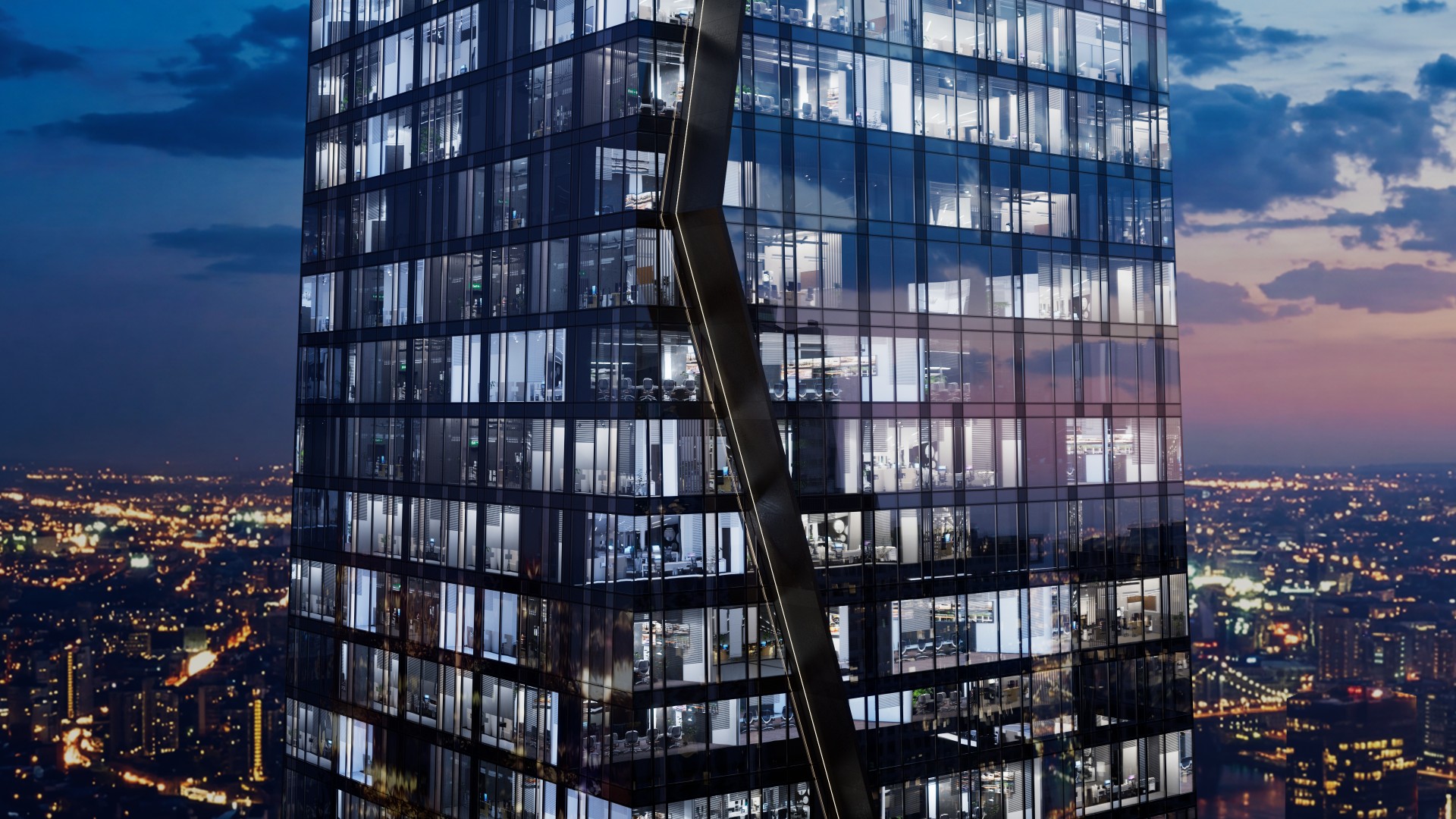
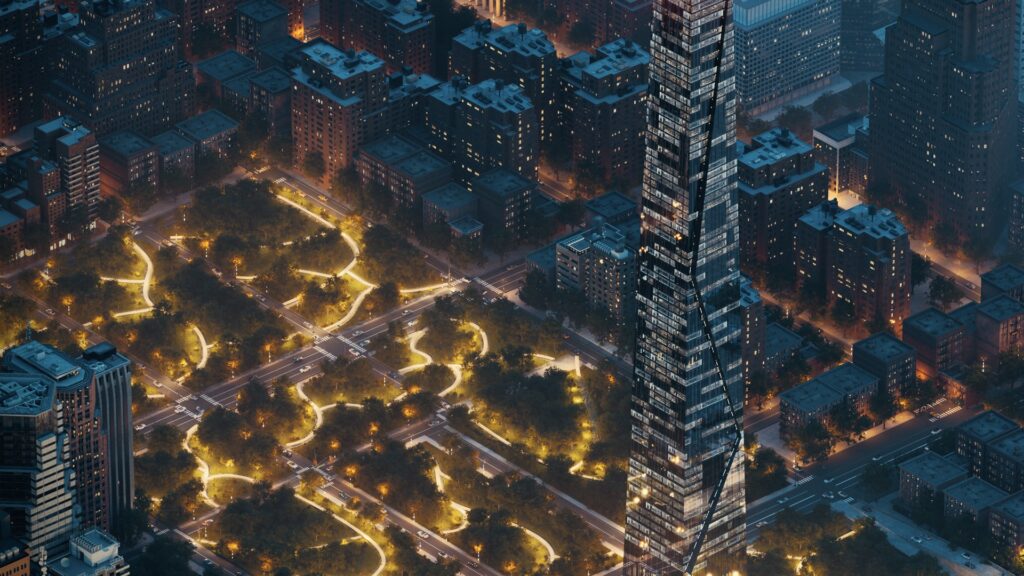
With Parallax Interiors architects can now add realistic interior depth and lighting to exterior renders without modelling or heavy geometry. According to Chaos, by using parallax interior shaders from Cosmos, the effect holds from any camera angle and can be varied across a façade to avoid repetition, bringing convincing life to every window, especially in night scenes.
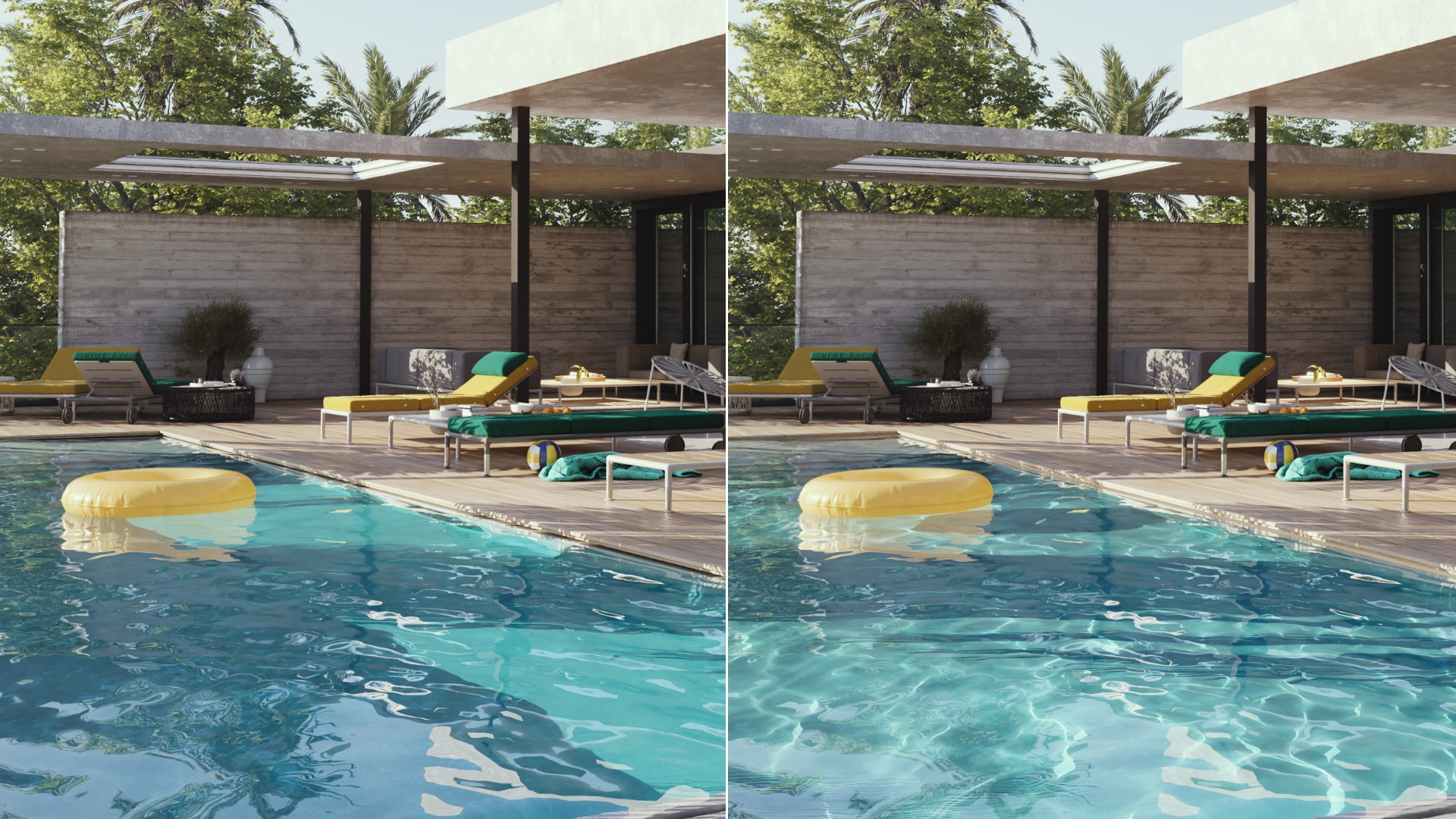
Meanwhile, new “quick caustics” are easier to control and faster to render – removing the complexity traditionally associated with photon-based setups and making it easier to create realistic surface reflections and refractions in both production and interactive rendering.
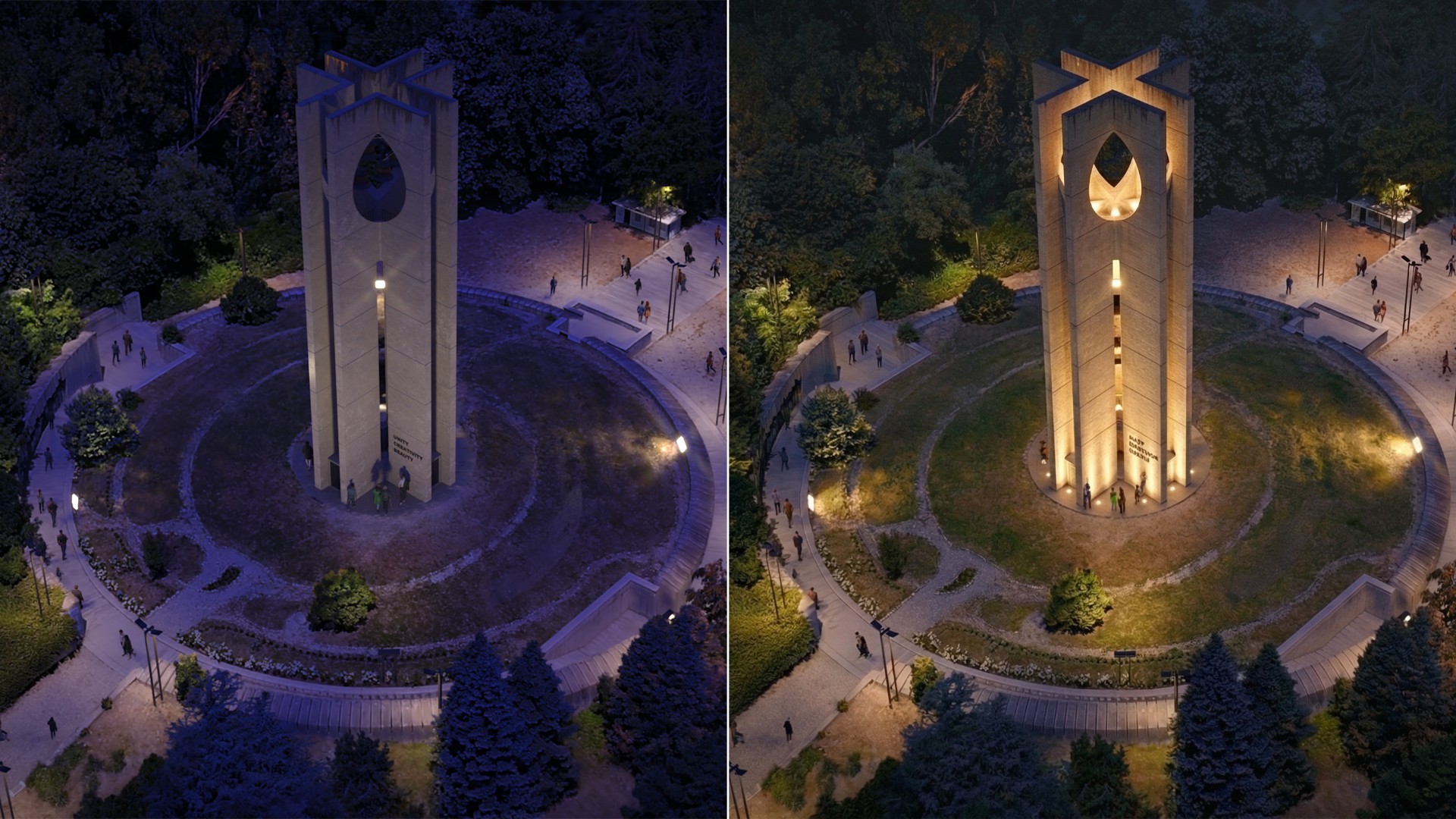
Elsewhere, support for Gaussian Splats has been enhanced with a new relighting feature that allows users to adjust the lighting of Gaussian splats to better match a scene, so assets integrate naturally into V-Ray projects.
Finally, a new Node Material Editor, available in preview for V-Ray for SketchUp and Rhino, allows users to build and adjust V-Ray materials visually using a node-based editor. According to Chaos, this makes it easier to understand material logic and create complex shaders with greater control.