
Trimble introduces non-destructive modelling and enhanced Revit interoperability to streamline design development, collaboration and documentation
With the release of SketchUp 2027, Trimble has introduced Procedures, a new non-destructive modelling system, and improved interoperability with Revit, helping to bridge the gap between early-stage conceptual design and detailed Revit documentation.
According to Trimble, these advances address two of the most costly sources of rework in design: rebuilding a model every time a design changes and rebuilding it again every time it moves into another tool.
Trimble is also aiming to improve project collaboration with the Trimble Connect Design Hub (Labs), a centralised design communication and collaboration capability built on the Trimble Connect platform. It automatically captures designer and client communications, bringing 3D models, file management and project administration together in a single project record.
Discover what’s new in technology for architecture, engineering and construction — read the latest edition of AEC Magazine
👉 Subscribe FREE here
For SketchUp 2027, the non-destructive modelling system Procedures is designed to enable designers to explore new ideas and respond to last-minute revisions without having to rebuild models or lose previously completed work. Integrated directly into familiar SketchUp tools and workflows, it is said to offers greater flexibility when editing increasingly complex models, while retaining the ease of use that remains central to the SketchUp experience.
To improve interoperability, the new SketchUp Importer for Revit recognises component tags and classes and maps them directly to Revit categories, converting them into native Revit architectural elements that can be edited, scheduled and documented.
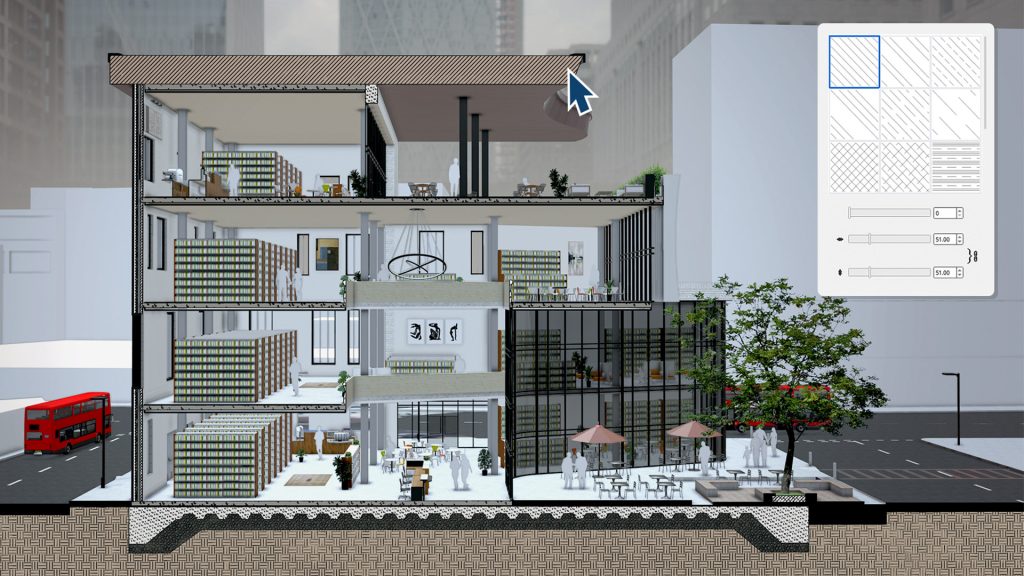
Other SketchUp 2027 highlights include Section Hatch Patterns, which allow users to apply patterns to section fills. According to Trimble, this makes it easier to distinguish cut materials, such as brick, concrete and batt insulation, while maintaining full control over the level of detail shown in drawings.
Meanwhile, LayOut’s new paperless canvas enables teams to draft freely in 2D at 1:1 scale, without having to commit to a page size or drawing scale from the outset.