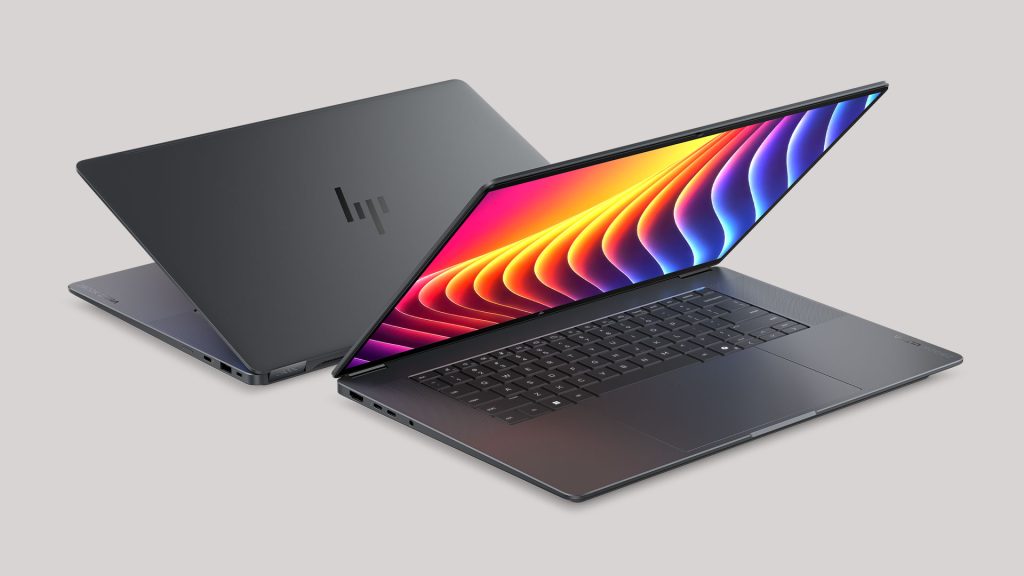

16-inch AMD Ryzen AI-powered mobile workstation pairs 192 GB of unified memory with Perplexity’s agentic platform to run substantial LLMs and AI agents locally alongside desktop tools like Revit.
The HP ZBook Ultra G3a, unveiled today at Autodesk University, isn’t just another high-spec slimline 16-inch mobile workstation. In the age of generative and agentic AI HP, in partnership with Perplexity, is attempting to redefine what a pro laptop is for.
Rather than positioning the Ultra G3a as a traditional mobile workstation for CAD, BIM, visualisation and simulation work alone, HP is pitching it as a “personal mobile token factory” – a device designed to run serious AI workloads and agents locally, cutting cloud token costs while giving firms more control over their data and workflows.
Underpinning this approach is the Ultra G3a’s defining hardware feature: a unified memory architecture built around the AMD Ryzen AI Max Pro processor, which integrates the CPU, GPU and NPU on a single chip, which each having direct and fast access to a shared pool of high-bandwidth memory. The machine can be configured with up to 192 GB, but this is soldered onto the chip, so whatever capacity is chosen at purchase is fixed for the life of the device.
As much as 160 GB can be made available to the GPU. That is far more addressable memory than a typical discrete laptop GPU and is what allows HP to claim that the system can run AI models of up to 300 billion parameters locally. The trade-off is that the integrated Radeon GPU does not match the raw processing power of a top-end Nvidia RTX laptop GPU, meaning the platform is tuned for capacity and local inference, rather than giving leading performance in GPU hungry workflows such as real time rendering.
Perplexity and local AI workflows
The launch of the Ultra G3a is about so much more than hardware. HP is partnering with AI software company Perplexity to make local AI more accessible and easier to deploy, with a deep integration with the company’s flexible agentic platform.
Rather than treating AI as a cloud-only add-on, HP and Perplexity are positioning the Ultra G3a as a mobile AI workstation that can host and run large language models directly on the laptop, tightly coupled with everyday Windows-based AEC tools such as Autodesk Revit.
Perplexity’s Computer platform is central to this story. In Portable Computer mode customers will be able to download LLMs such as Qwen or Nemotron and run inference entirely on the Ultra G3a.
The idea is that agents can interrogate BIM models and other documents locally, helping optimise Revit workflows without sending sensitive project data to the cloud or consuming tokens, unless the user explicitly chooses to escalate a task to a more powerful frontier model like Claude or ChatGPT.
“Users can connect [Perplexity] Computer directly to those tools that they are already using to extract info, QA models, pull schedules, draft RFIs and do more with their existing Revit data,” said Ryan Foutty, vice president of business at Perplexity.
This is being enabled through ‘Skills’, a feature of Perplexity Computer which, as Foutty explains, makes complex work repeatable. “[Perplexity] Computer comes with dozens of skills across every field, but we’re launching HP exclusive skills for tasks like code compliance, design reviews, and material specification research that will come on the device with the app.”
Chassis design and thermals
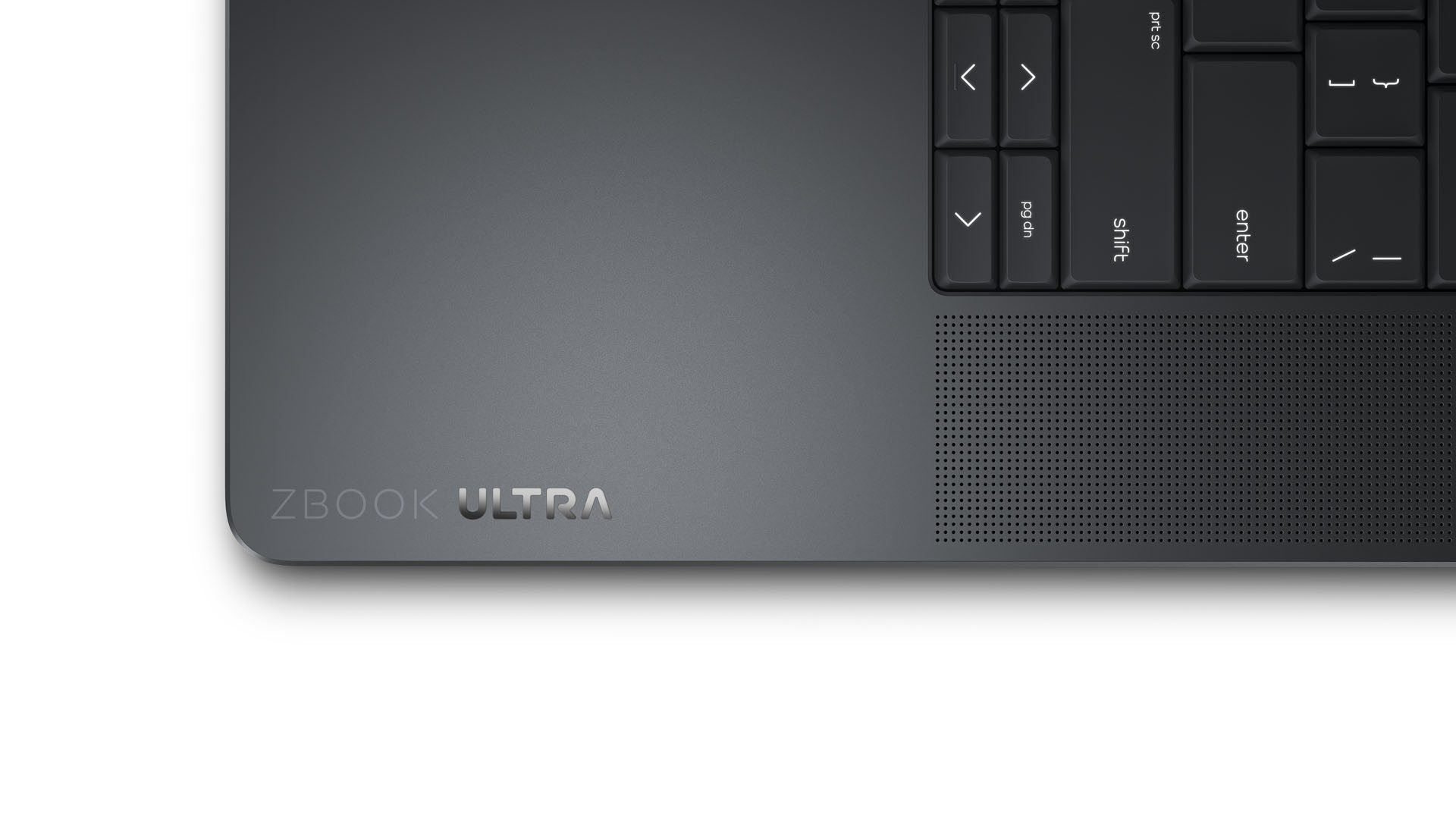
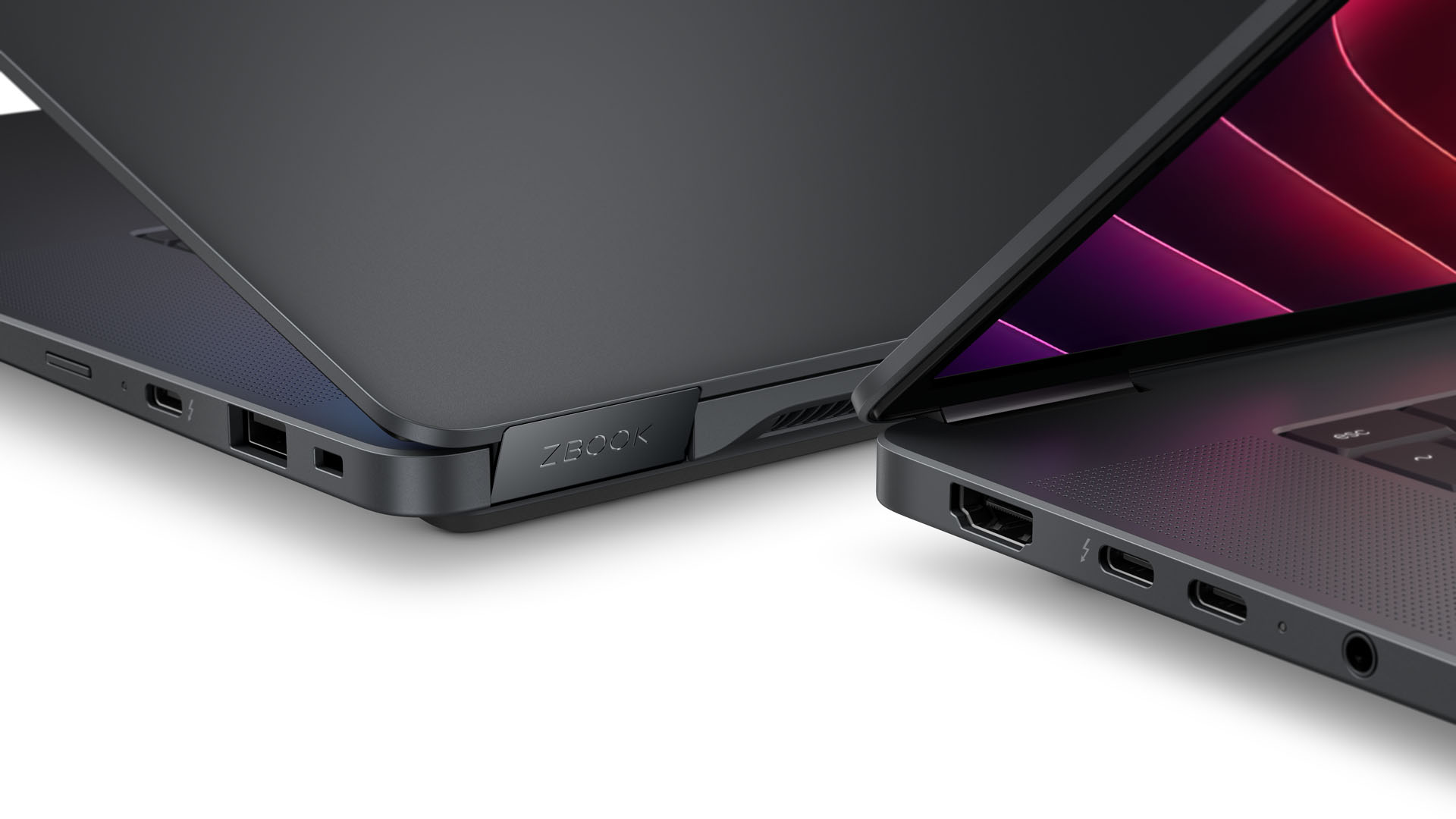
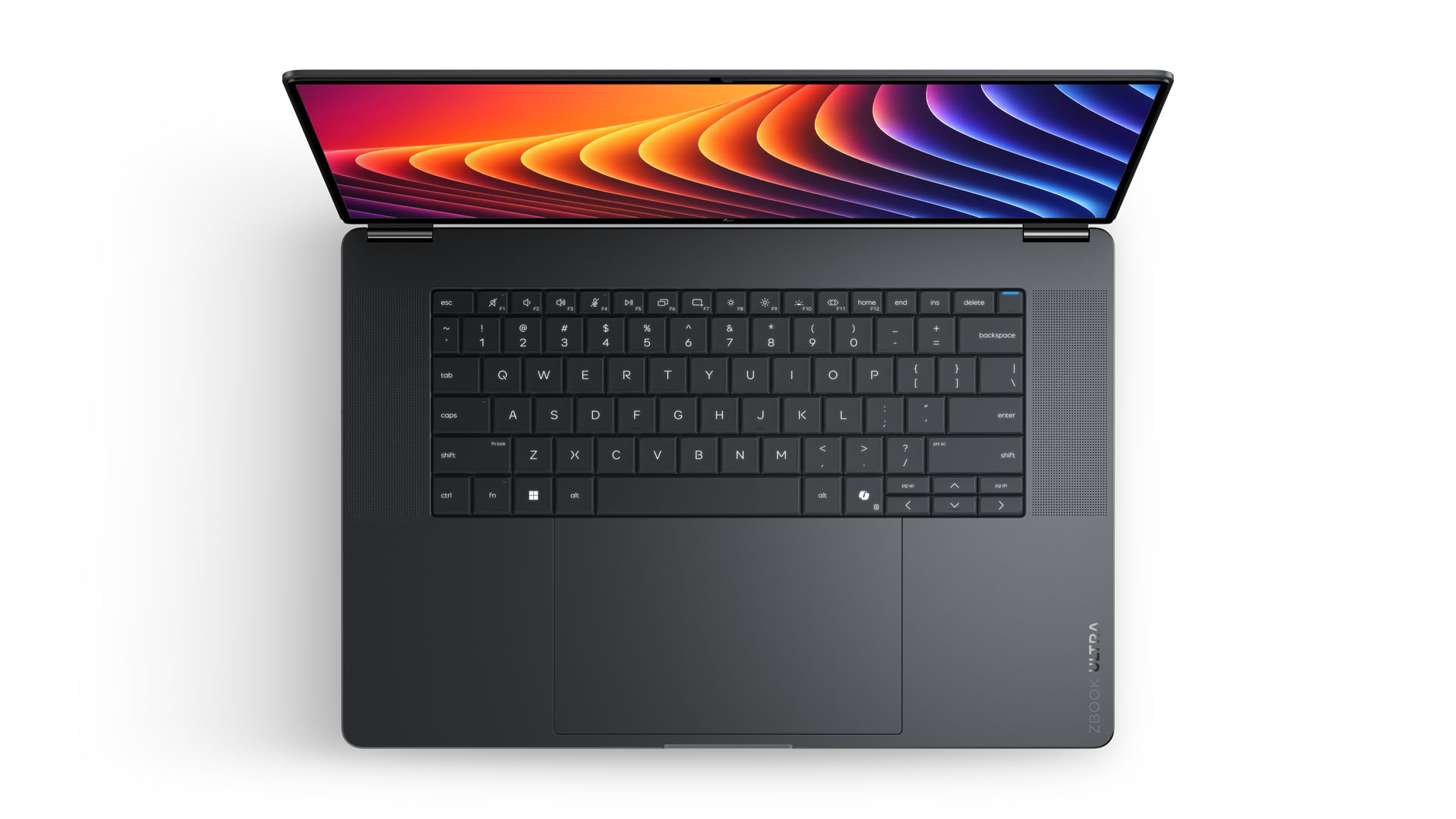
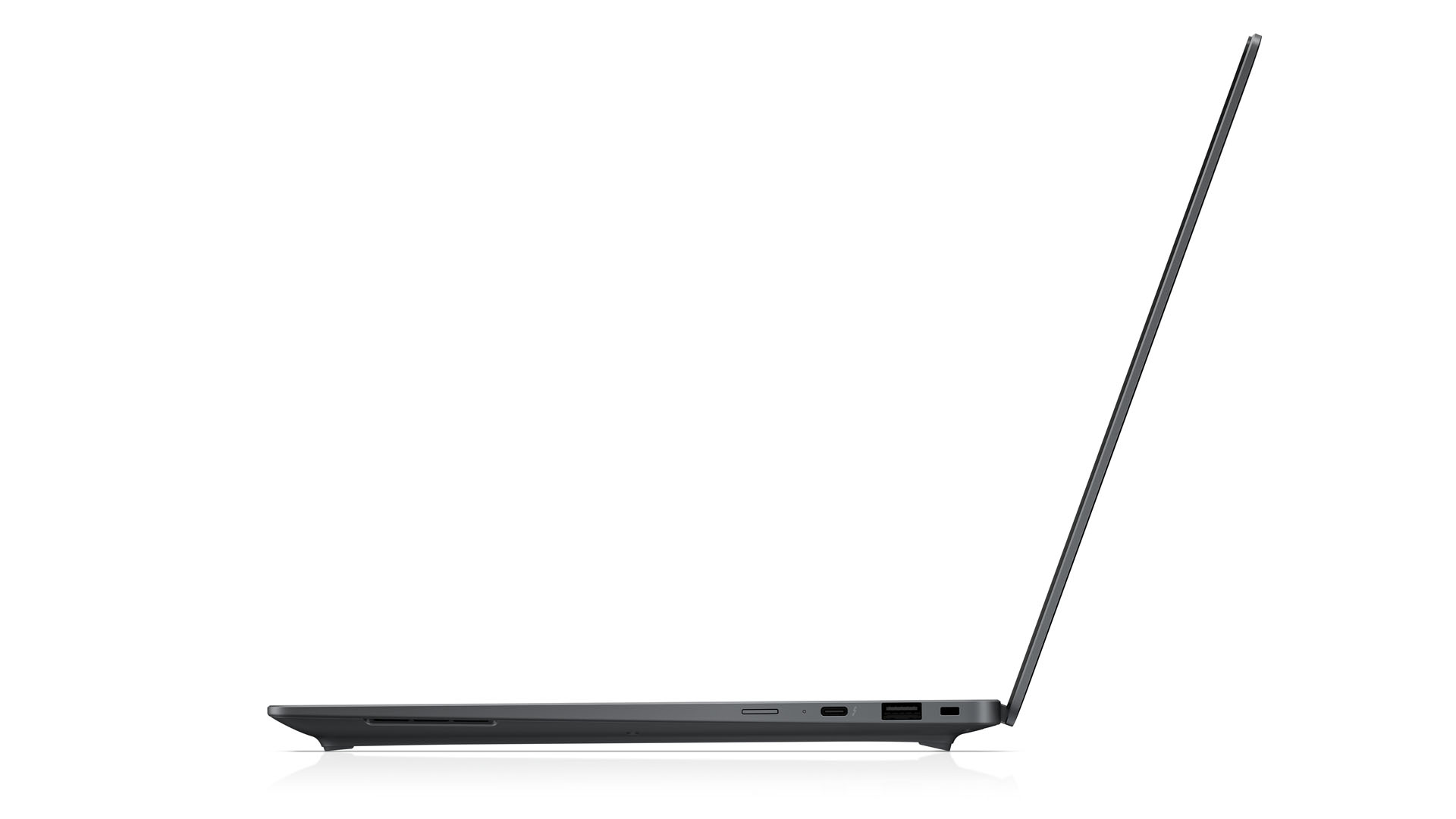
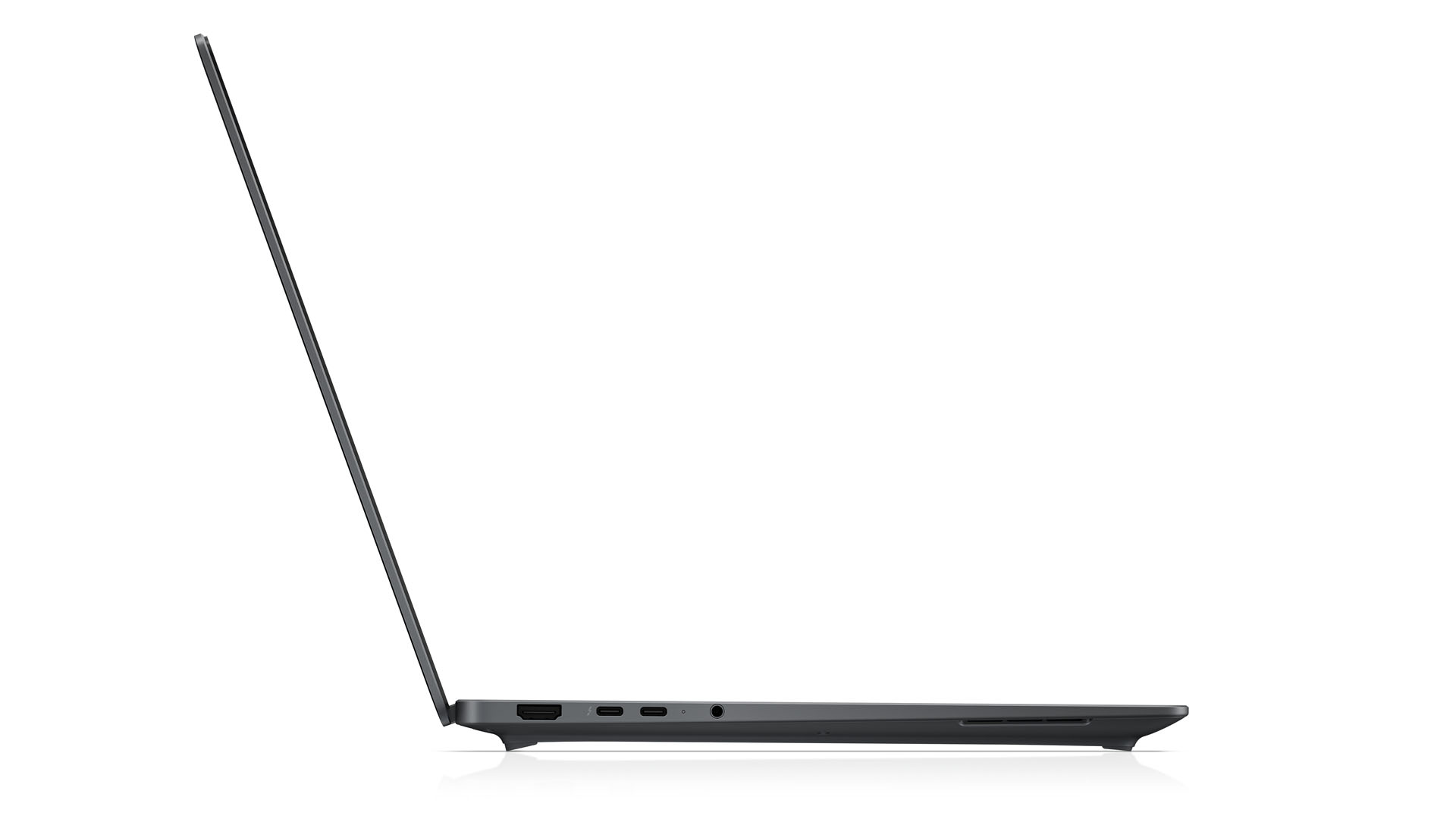
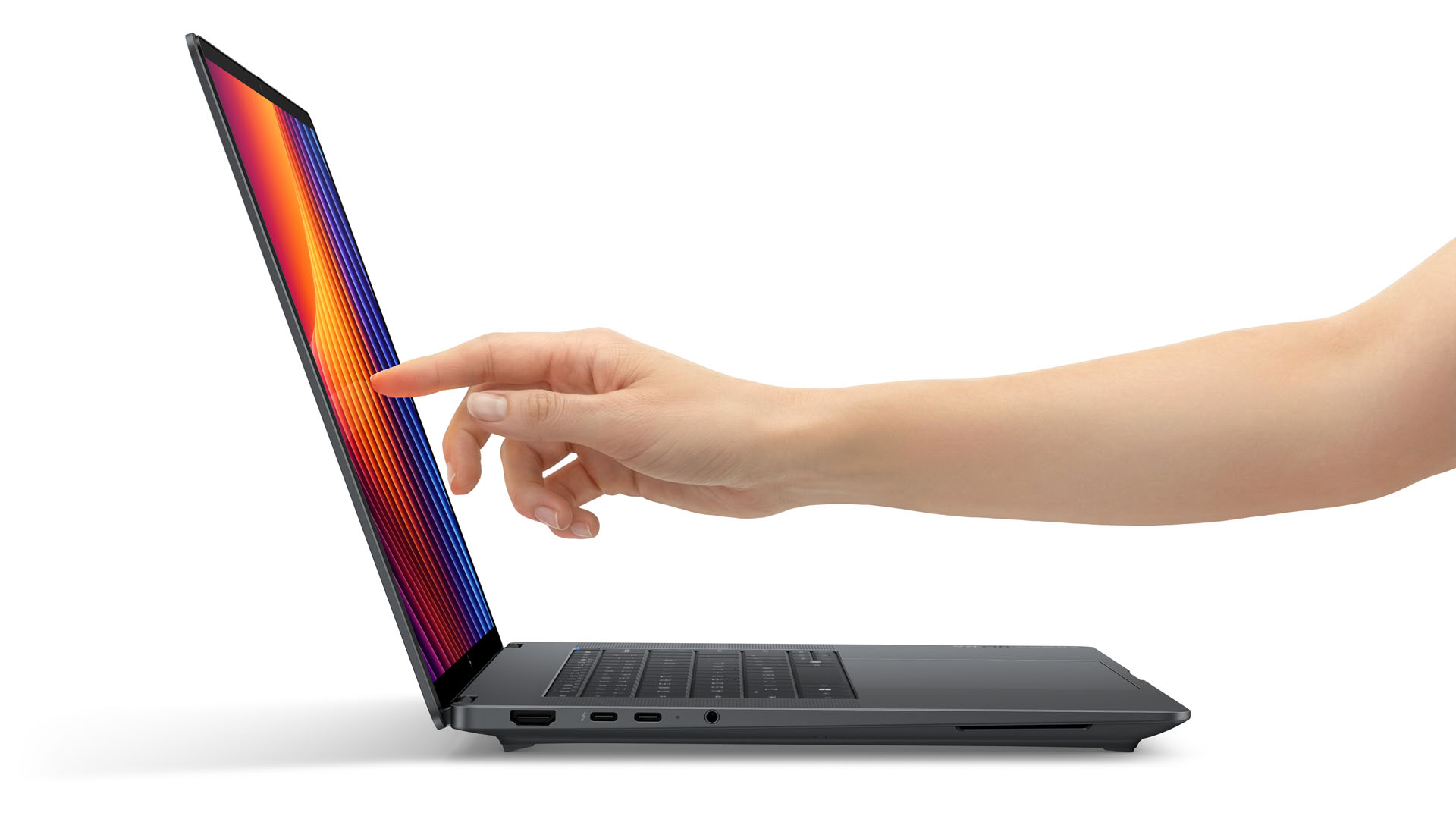
The ZBook Ultra G3a itself is a slim mobile workstation, built around a 16-inch chassis with a new “mid-mount thermal” design that allows a 110 W class platform in a body that weighs under 2kg. HP has sculpted the chassis to improve airflow, moved the fans forward, and pushed the exhaust to the rear, claiming up to 81 percent better performance in a design that is just 17.9 mm thin.
There is a new haptic touchpad, a redesigned keyboard whose power button doubles as a fingerprint sensor, and a focus on serviceability in areas such as the battery, thermal fins and fans and keyboard, which HP says can be swapped out in five minutes. Even the 180W USB-C power adapter has been slimmed down and made lighter to improve portability.
What AEC Magazine thinks
The HP ZBook Ultra G3a offers a genuinely new proposition for AEC firms: the ability to augment bread‑and‑butter CAD, BIM and visualisation with AI‑powered workflows on a single Windows machine. The prospect of running very large AI models locally to keep project data private and to rein in unpredictable cloud token costs, will be particularly attractive to practices working with sensitive schemes or tight IT budgets.
However, AEC firms will need to carefully evaluate how bringing everything onto one device could impact day‑to‑day workflows. If AI agents are deployed to automate routine tasks in the background what happens when those same users also need GPU‑hungry real-time visualisation? The ZBook Ultra G3a may be able to hold multiple large workloads in memory, but there is still only so much processing power to go around at any given time. In saying that, as this magazine has seen in the past, AMD’s Radeon PRO graphics driver is very good at pausing compute intensive processes in order to prioritise tasks that really impact user experience, such as viewport performance.
There is also a longer‑term question mark. Nobody yet knows how desktop and mobile AI workflows will evolve over the next few years and what will become “standard” for AEC production work. In that context, the ZBook Ultra G3a’s soldered memory puts increased pressure on getting that initial specification right.
For AEC firms equipping power users, such as BIM managers or in‑house coders/ computational designers, maxing out at 192 GB may feel like a sensible bet. These are exactly the people likely to be experimenting with large local models and developing custom agents, not only for BIM model interrogation but to automate certain parts of design (something that is explored in more detail in this AEC Magazine article).
For a more traditional architect or designer, whose current Revit and visualisation workloads might be comfortably served by 64 GB, the decision is much harder. Today, they may struggle to justify the cost uplift of a fully loaded configuration, especially considering current memory prices. But without an upgrade path, they risk being locked out of more advanced local AI workflows later in the device’s lifecycle – with the only meaningful “upgrade” being a full replacement rather than a memory bump.
At launch, the HP ZBook Ultra G3a will include a pre-installed link to Perplexity. The full Perplexity desktop application will be pre-installed later this year and will be included on G3 mobile workstations going forward.
The Perplexity offer—including one month of free access and Perplexity Computer Credits—is available to all HP mobile and desktop workstation users, regardless of whether Perplexity is pre-installed on their device.