
Features include in-product AI guidance, MCP support and 3D asset generation to streamline visualisation workflows
Chaos has released a major AI-focused update to the V-Ray Collection, a suite of 3D visualisation tools built around photorealistic rendering software V-Ray. The update aims to bring AI further into the visualisation workflow to help artists automate some of their most time-consuming tasks.
New tools allow users to generate 3D assets, while Model Context Protocol (MCP) servers enable them to connect external AI assistants, such as Claude and ChatGPT, directly to their workflows. V-Ray also gains an integrated AI assistant for guided analysis and advice on settings.
“Every industry is going through a push and pull with AI right now, as they attempt to figure out what’s actually useful,” said Allan Poore, Chief Product Officer at Chaos. “This new update justifies itself on day one, not only by dramatically shrinking the V-Ray learning curve, but also allowing creators to direct the process across assets, automation, and analysis, making their visions much easier to attain.”
Discover what’s new in technology for architecture, engineering and construction — read the latest edition of AEC Magazine
👉 Subscribe FREE here
With MCP servers, compatible AI agents can understand scene context, access settings and accelerate multi-step actions. Users can issue natural-language prompts to inspect scenes, adjust supported settings such as lights and materials, find and place assets, and automate repetitive tasks.
Initial servers are available now for V-Ray, Chaos Cosmos, the 3D asset library, and Chaos Anima, the crowd and traffic simulation software. Support for Chaos Vantage, the real-time ray-tracing visualization tool, is also on the way. V-Ray MCP is available for SketchUp and Rhino, while third-party MCP servers for 3ds Max are compatible with V-Ray.
The new V-Ray AI assistant helps artists get more out of the software. Users can get context-aware guidance, match scene lighting to reference images with Sky Match, discover relevant Cosmos assets, and receive actionable feedback on renders with Render Critique.


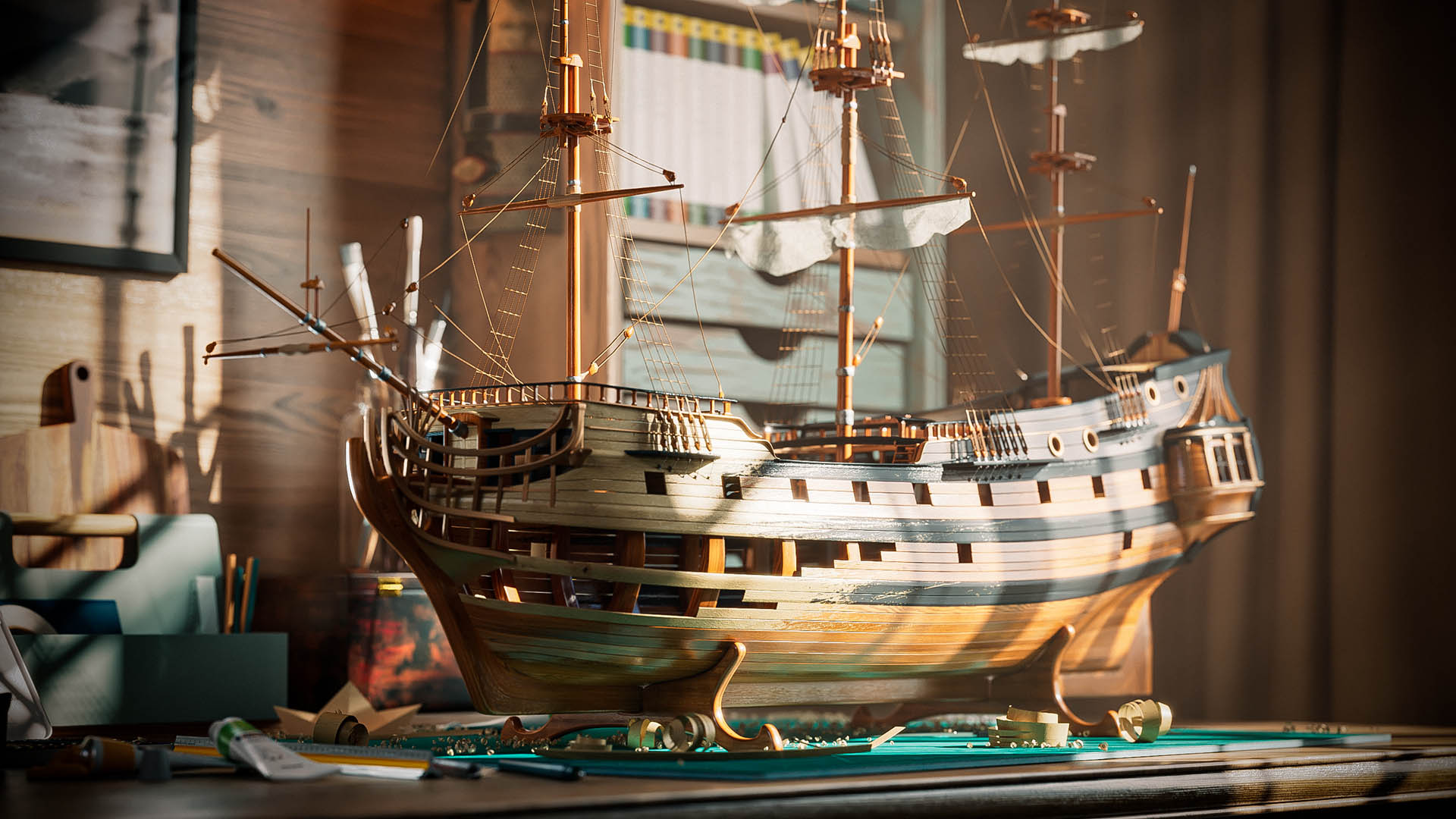
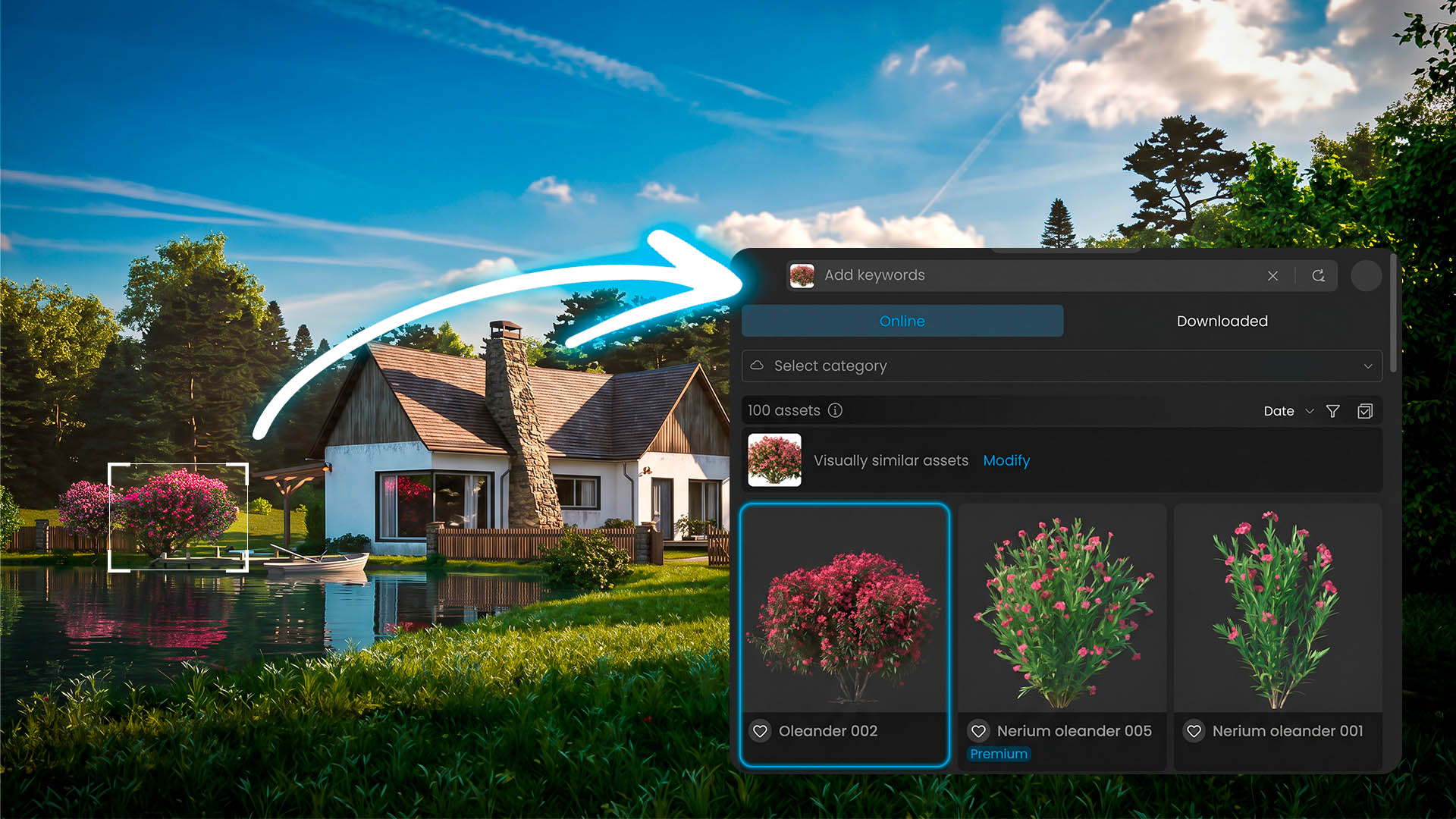
Meanwhile, in Chaos Cosmos, users can now create custom 3D models from a single reference image, directly in the Cosmos browser. This is designed to makes it easier to add specific furniture, appliances, artwork and other objects to visualizations. Users can also speed up the Cosmos search process with image-based search, which scans more than 30,000 assets to find the closest match.
Beyond these AI additions, the update introduces more than 30 new features across V-Ray, Chaos Vantage, Chaos Veras and Chaos Anima, all accessible through a single V-Ray Collection licence.
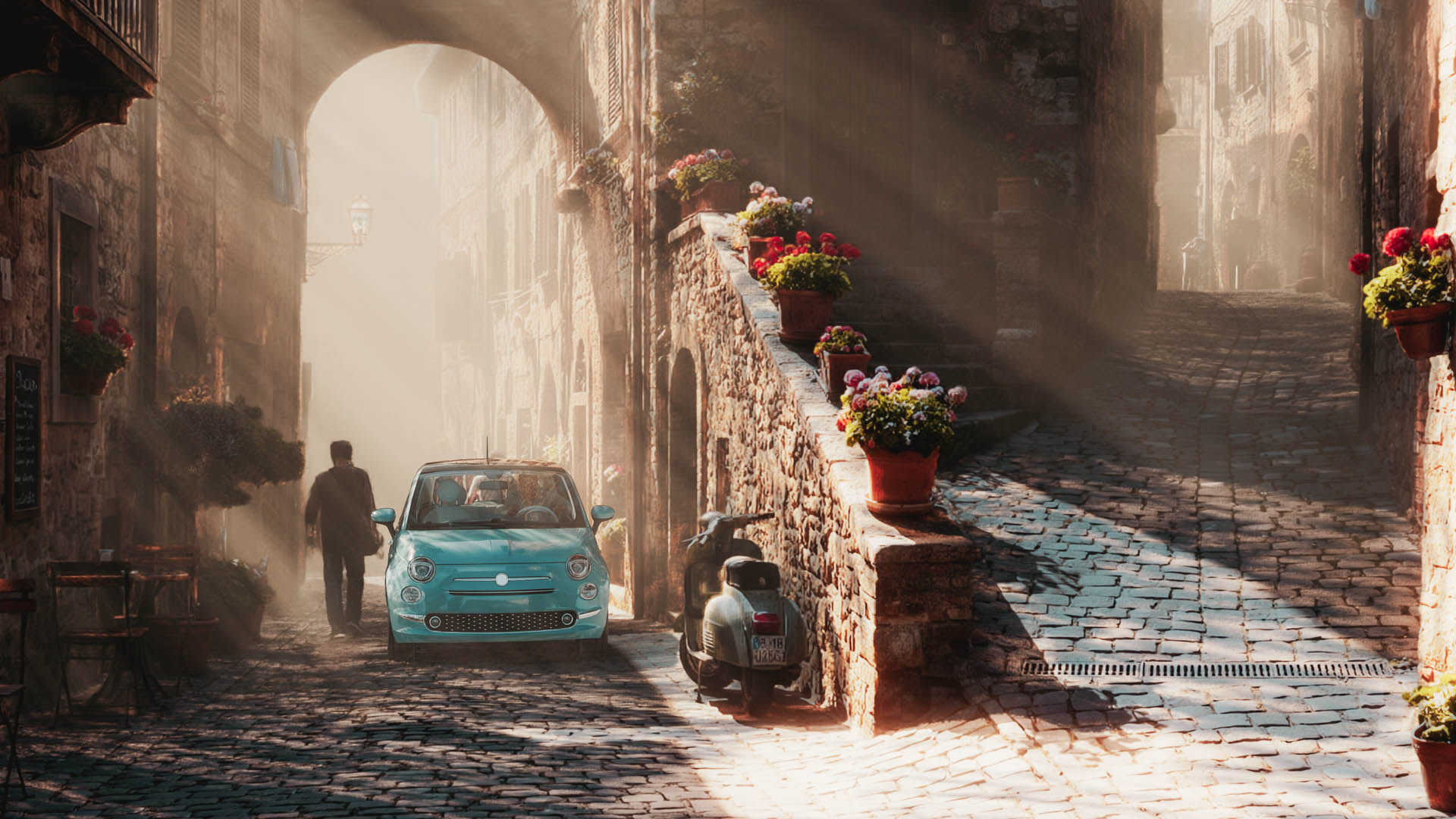
Among the highlights for V-Ray are V-Ray GPU support for AMD hardware, improved compatibility with real-time ray-tracing tool Vantage, and new lighting features. These include V-Ray Cylinder Light, which makes it easier to create realistic neon signs and linear lighting, and V-Ray SpotLight, for more precise and atmospheric lighting.
Chaos Vantage gains improved integration with Chaos Veras, its AI-powered visualisation tool, and Chaos Anima. Users can also adjust the lighting of imported Gaussian Splat assets so that they react naturally to their scene’s digital light sources, making it easier to blend architectural models with photorealistic scanned environments.
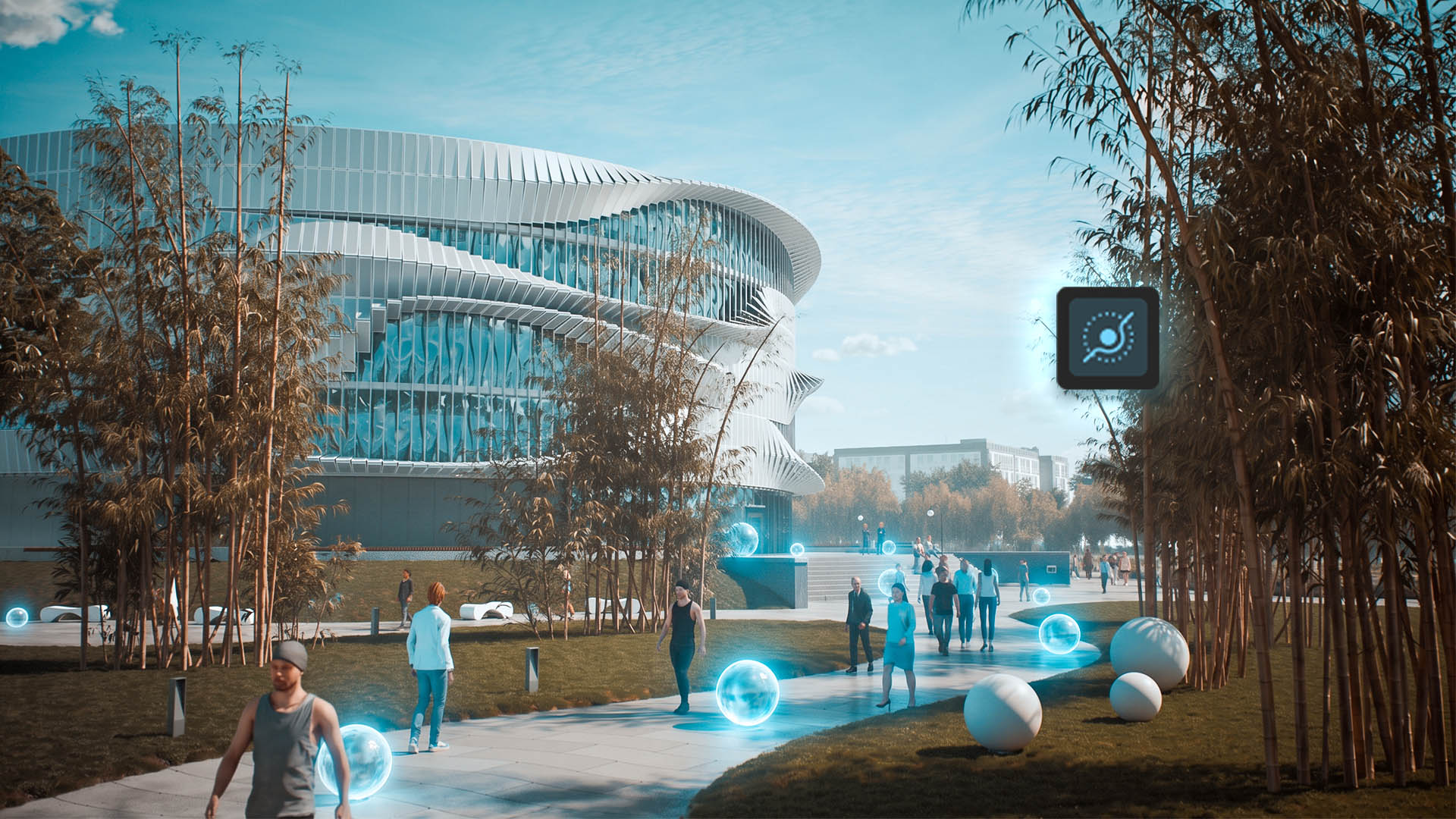
For Anima, a key highlight is AI Pathfinding for People and Crowds. This allows characters to “intelligently navigate” 3D scenes independently, taking into account slopes, obstacles and crowd flow.
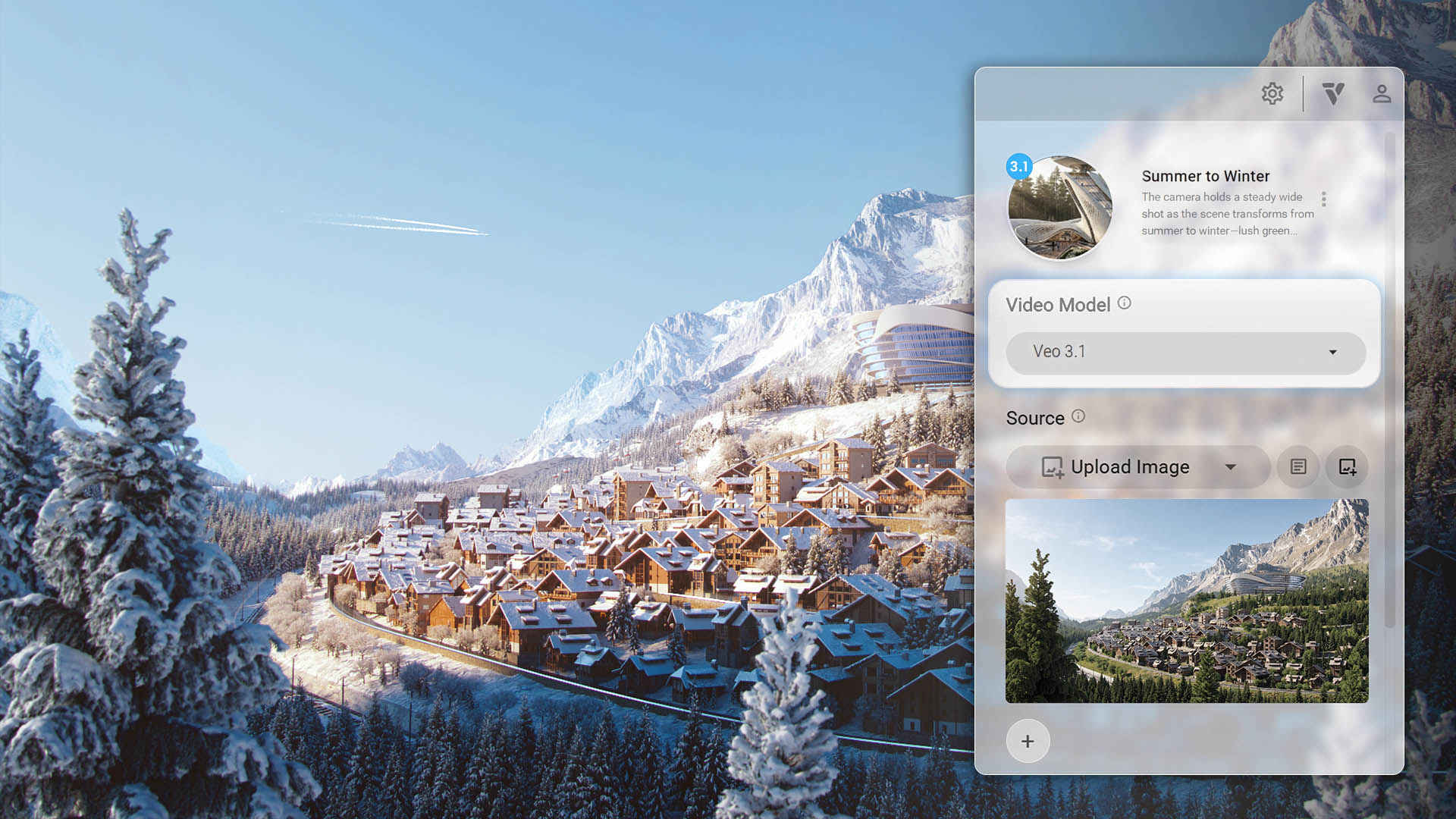
In Veras, highlights include a new node-based UI, which provides a canvas for turning image, video and 3D generation prompts into automated, repeatable workflows. The update also expands the range of models available for video editing and generation, including Veo 3.1, Gemini Omni, Grok (image and video), and OpenAI Images 2.0 and 2.5. A new Agent mode also lets users turn reference images into 3D models using GPT-6 Astra or Claude Opus 5.5, helping them develop initial visual ideas into more detailed assets.