
Cartesian by Formas brings AI models, editable geometry with physical properties into a workspace for creation and problem-solving in architecture and product design
Formas.AI has unveiled Cartesian, an AI-assisted platform for early-stage architecture, interiors, furniture and product design that aims to turn AI-generated concepts into editable, physically meaningful geometry.
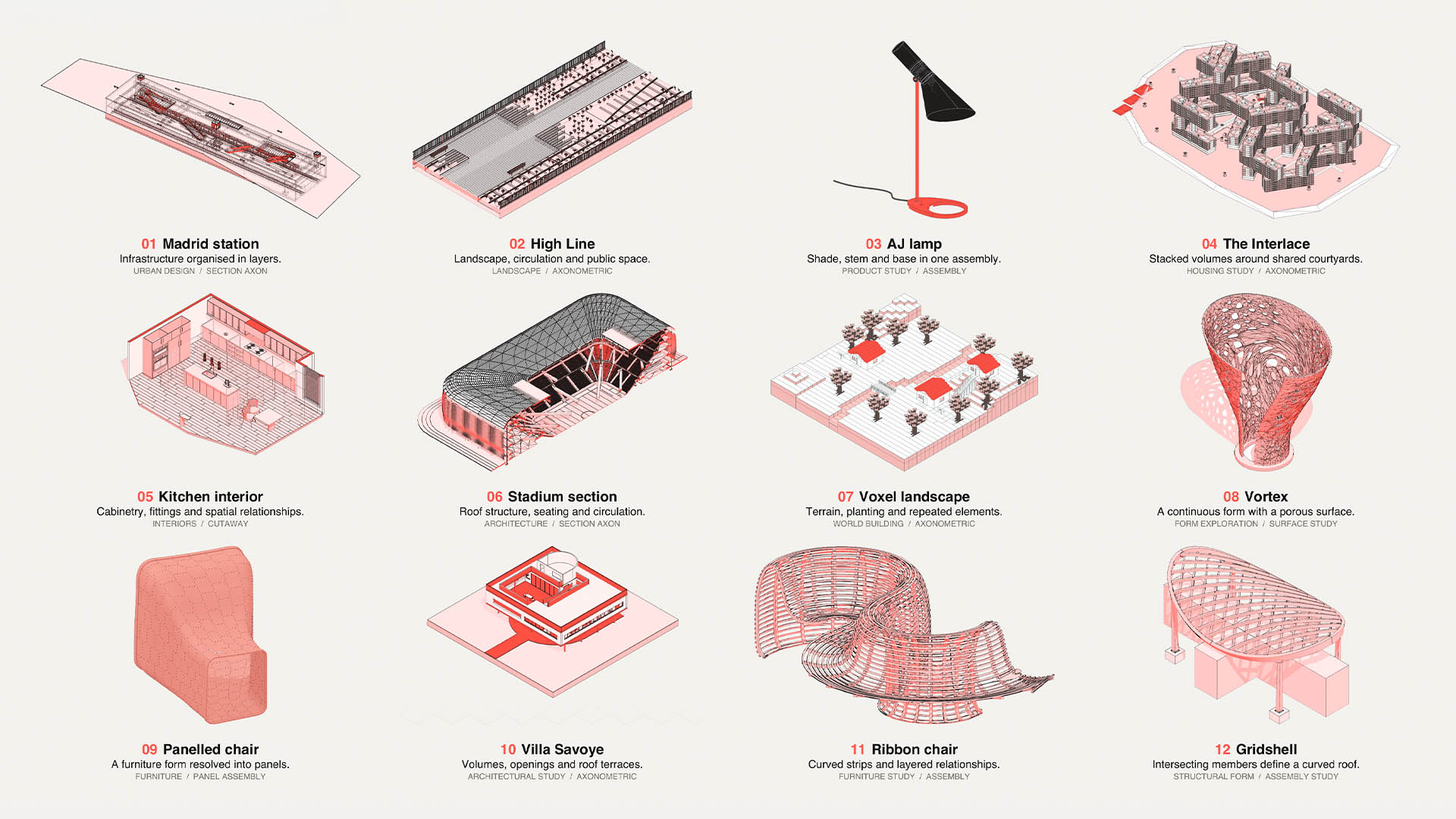
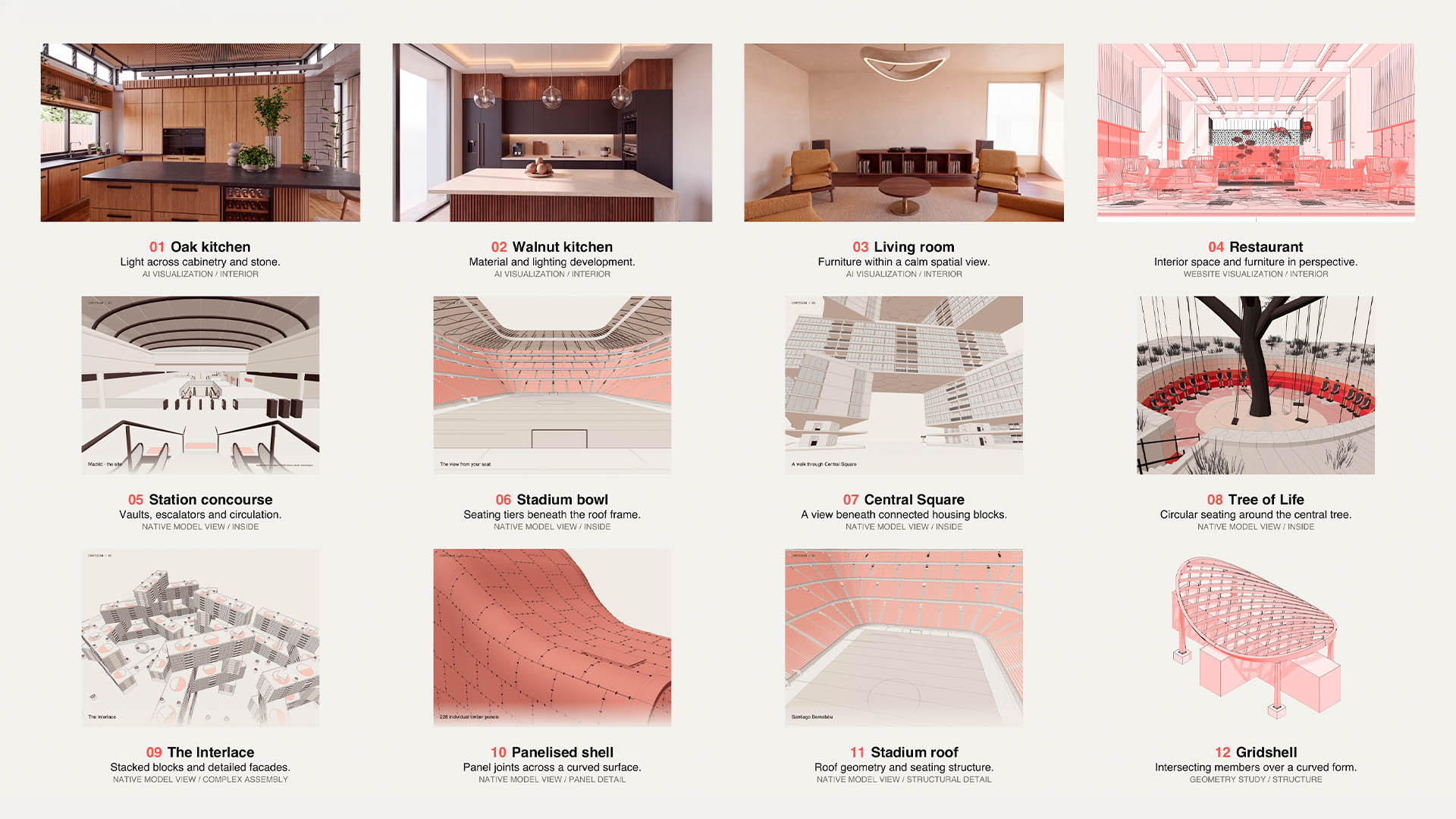
The company argues that AI can already produce convincing images of buildings and objects, but turning those images into models raises harder questions about how parts fit together, which constraints matter and what should change as a design evolves. Cartesian lets designers start from photographs, sketches, written briefs or existing models, then refine individual components through conversation, carrying requirements and references into each revision.
Discover what’s new in technology for architecture, engineering and construction — read the latest edition of AEC Magazine
👉 Subscribe FREE here
“The technology behind it can be incredibly complex. The experience should not be,” said Yiping Goh, co-founder and CEO.
At the platform’s core is a proprietary CAD kernel layer and geometric toolkit built for AI agents. Agents can discover available tools, construct solids and freeform surfaces, and inspect and revise geometry programmatically. Models can be organised into named components, layers and assemblies with relationships that help describe how parts belong together. Co-founder Carlos Bañón said these relationships “give geometry meaning and help preserve design intent as the model changes.”
An orchestration system coordinates multiple AI models, including OpenAI’s GPT-6 Astra and Claude Opus 5.5, alongside specialist agents across reference interpretation, brief development, geometric authoring and review. Parallel improvements are merged through geometry checks within the shared model. Integrations with Rhino and Blender complement the system with additional CAD and mesh workflows. Project requirements and source references carry context between modelling activities.


Environmental studies feeds into the loop. Agents can request targeted studies, including sunlight, shadows and real-time wind analysis, then use the results to inform later modelling decisions. Mechanical modules for motion and articulated assemblies are being integrated.
For furniture, products and layered structural assemblies, designers can explore material thicknesses, dimensions, spacing and assembly relationships as design constraints, preparing concepts for prototyping and digital manufacturing
Interoperability is a key part of the workflows and Cartesian has live connections with Rhinoceros and SketchUp, DXF import and export for AutoCAD, and IFC import and export for BIM workflows. STEP export is available for supported solid models and STL for mesh-based prototyping.
The desktop rollout will be phased across macOS and Windows, with expanded access planned from 31 October 2026. A preview waitlist is open at www.formas.ai/cartesian/waitlist
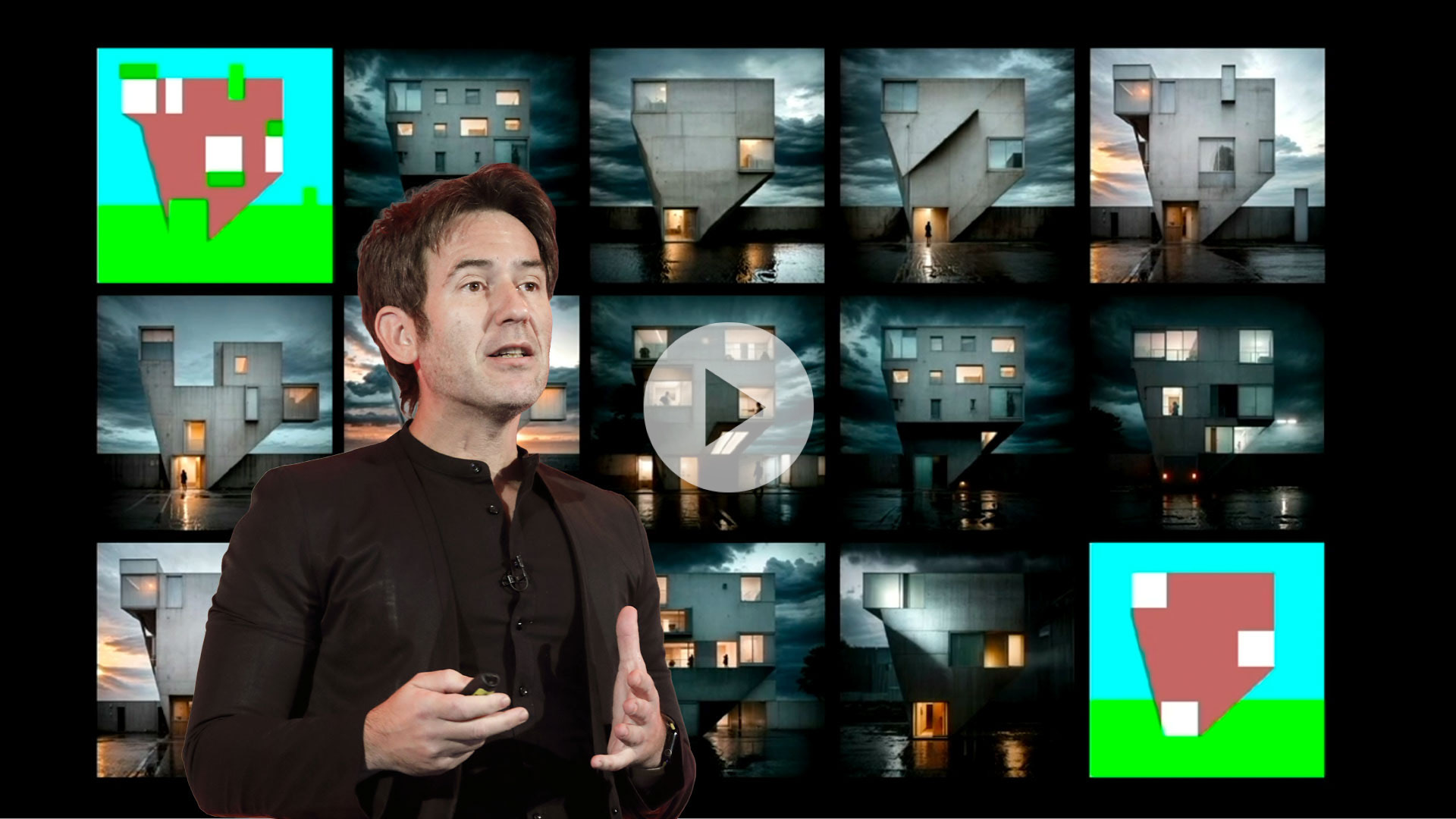
Watch Formas.AI’s co-founder Carlos Bañón’s NXT BLD 2026 presentation:
More Artificial, More Human: on Design Agency with AI