
William Hare uses bespoke Tekla automation to maximise use of reclaimed steel, delivering major carbon savings on landmark London project.
A bespoke workflow and API developed in Tekla Structures has helped William Hare automate the detailing, optimisation and tracking of reclaimed steel for a landmark commercial development in London, demonstrating how digital workflows can help make large-scale structural steel reuse commercially viable.
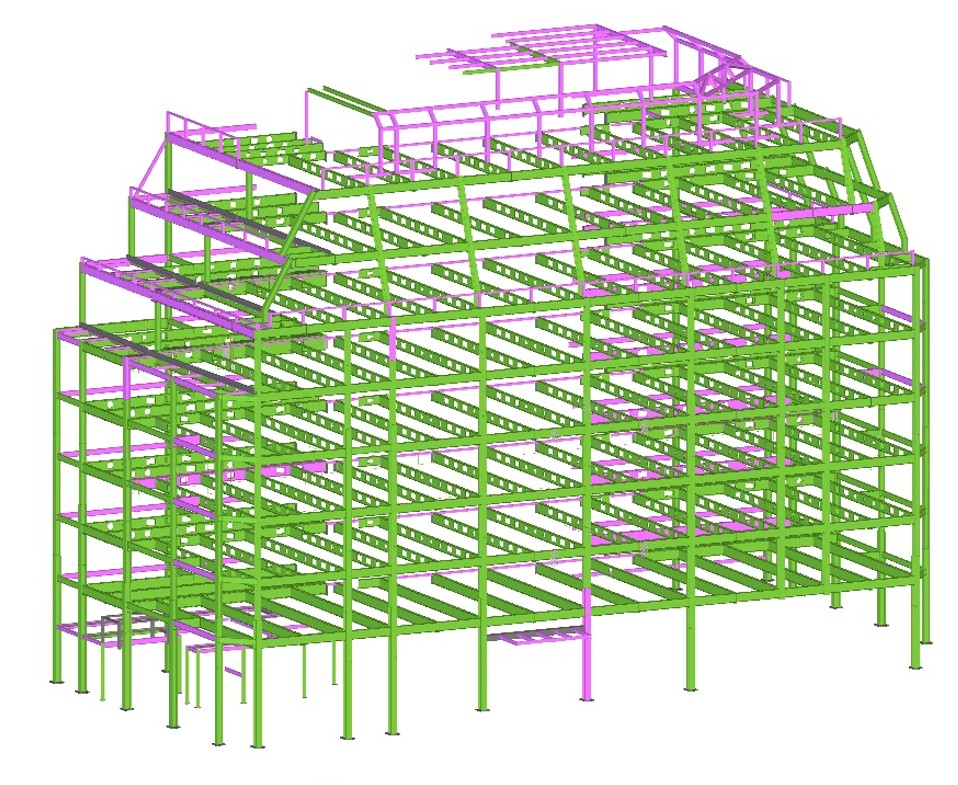
At 30 Duke Street St James’s, approximately 77% of the structural steel frame – around 470 tonnes – was fabricated using reclaimed steel sourced from multiple donor sites. The approach delivered an estimated embodied carbon saving of 744 tonnes of CO₂e, according to Mace Operations Director Sal Capotosto.
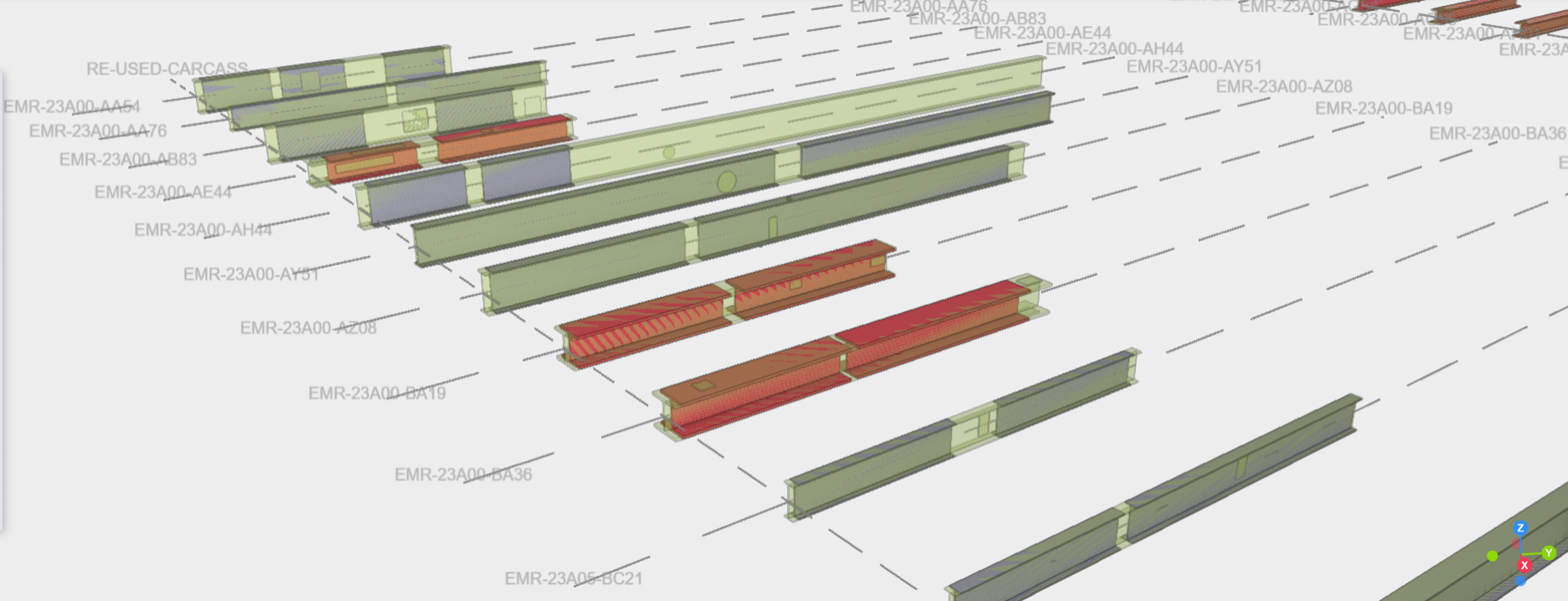
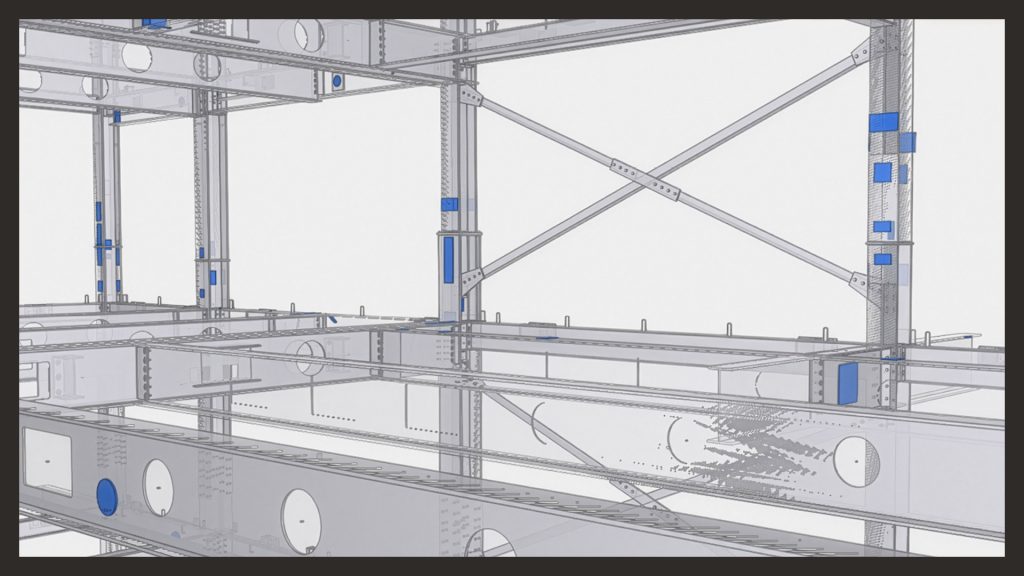
Appointed to fabricate, supply and erect the steelwork, William Hare developed the bespoke Tekla API to address the challenges of incorporating large quantities of reused material. Using the proposed framework design and categorising reused steel members, the API drove a process of “advanced nesting” to automatically identify, map and load where the reclaimed steel components would best fit.
Discover what’s new in technology for architecture, engineering and construction — read the latest edition of AEC Magazine
👉 Subscribe FREE here
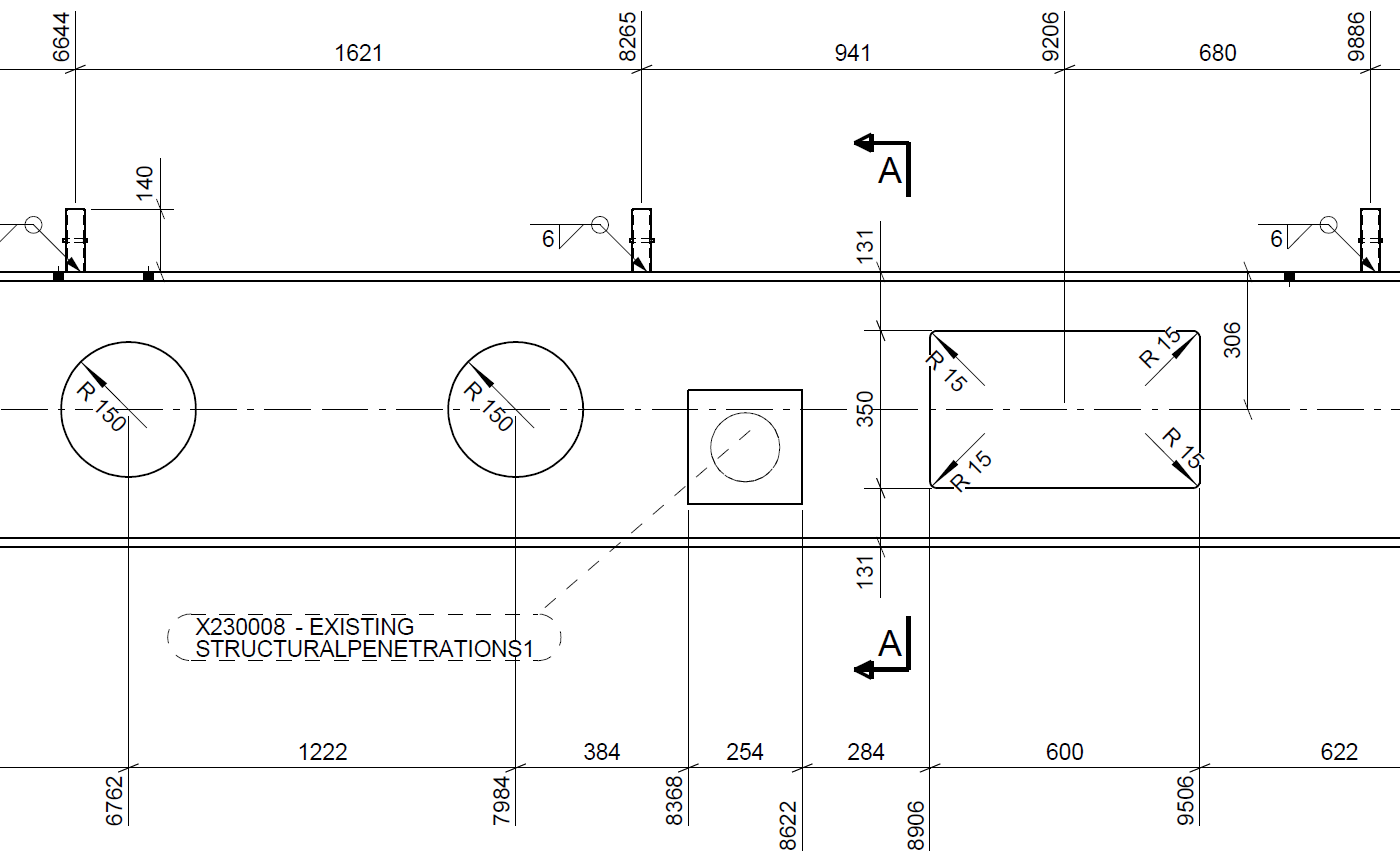
“By knowing exactly where any existing defects were, we could optimise the detailing process and ensure we were utilising the best piece of steelwork for the parent member,” explained Ivo Garcia, BIM & Innovation Manager at William Hare. “This enabled us to get three or four assemblies out of one piece of reclaimed steel, either avoiding existing features entirely or placing them in a location where it wouldn’t cause any interface issues with the new connection designs.
“The whole process was able to be heavily automated thanks to the Tekla API and our bespoke workflow. We then brought in the detailing team to manually refine and enhance where needed. Without the level of automation, it would have been an incredibly lengthy and time-consuming process.”
The automated nesting process enabled three or four new assemblies to be produced from a single reclaimed section in some cases, significantly reducing the time and labour associated with manual assessment and detailing.
Sourced principally from the demolition of City Place House in London, alongside reclaimed stock from Cleveland Steel and European Metal Recycling, the project represents the largest steel reuse scheme for a commercial office in the UK to date.
William Hare believes the development demonstrates the potential for digital technology to overcome barriers to circular construction. While data quality, cost perceptions and programme constraints remain challenges, automation and improved material traceability could help make reclaimed steel increasingly practical across the construction industry.