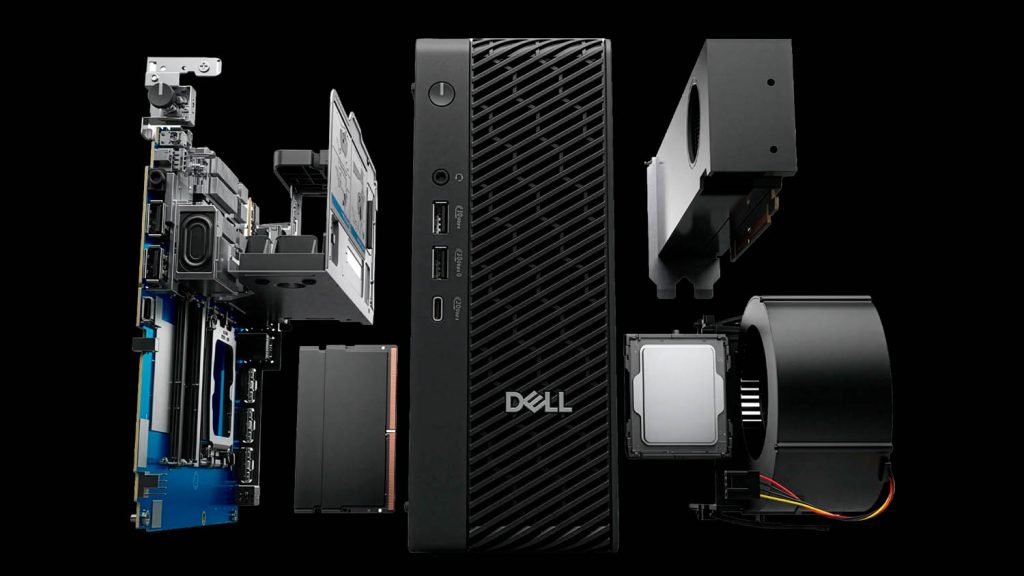

Choosing between a tower and a compact workstation can be confusing, especially when they share the same components. Greg Corke explores where small systems shine, where their limitations lie, and when a traditional tower still makes more sense
Compact workstations are big news right now. And not just because they free up valuable desk space.
Machines such as the HP Z2 Mini and Lenovo ThinkStation P3 Ultra SFF are increasingly finding themselves at the heart of modern workstation strategies, including centralised rack deployments where density matters just as much as performance.
But shrinking down a workstation to the size of a lunchbox does not come without compromise. When you cram high-performance CPUs, GPUs, memory and storage into a very small chassis, you quickly run up against the same fundamental constraints that mobile workstations have wrestled with for years: power delivery, cooling and sustained performance.
So the real question is not whether compact workstations are capable — they clearly are — but where their strengths lie, and where a traditional tower workstation still makes far more sense. Let’s break it down by component.